•  
  • Home
  • Privacy
  • Sitemap

Unlocking the Hottest Trends of Alcohol-Free Spirits in UK Make a Move!

In a period where health-consciousness and responsible drinking are becoming increasingly significant for the UK has witnessed a major shift in the culture of drinking. Gone are the days when drinking alcohol was the norm now the focus is now shifting to the exciting realm of spirits that are alcohol-free. In this article, we set off upon a trip to discover some of the most exciting trends in alcohol-free spirits that are being seen across the United Kingdom.

Let’s dive into the first section, which focuses on the extraordinary rise of alcohol-free spirits, as well as the driving factors behind this revolutionary trend.

Section 1: The Rise of Alcohol-Free Spirits

In recent years, the UK is witnessing a staggering growth in popularity of alcohol-free spirits. The once-separate market has turned into an booming industry, and the reasons behind this transformation are multifaceted.

The Changing Landscape

The British landscape’s drinking culture is witnessing a radical change. Health consciousness and wellness trends, along with the desire for more responsible choices have converged to propel the rise of alcohol-free spirits.

The public is becoming more aware of the negative health impacts related to excessive alcohol consumption. This awareness has paved way for a shift in tastes and more people are seeking alternatives that let them enjoy the benefits of a well-crafted drink without the accompanying alcohol level.

The Pandemic Effect

The COVID-19 pandemic in the world has undoubtedly left a lasting impact on how we gather and drink. As a result of the lockdowns and restrictions and health concerns in the background numerous people turned to alcohol-free options for a way for maintaining their health. The pandemic increased the size of the alcohol-free spirits market as people looked for new avenues of connection and relaxation outside the comforts of their homes.

Beyond Mocktails

This trend is not limited in the absence of alcohol in traditional cocktails, it reaches out to the creation of sophisticated and delicious alcohol-free spirits that can stand up on their own. These spirits are designed to be enjoyed in different ways, from sipping them neat to making sophisticated non-alcoholic cocktails that are comparable to their alcohol counterparts in flavor and quality.

What’s Next?

After we’ve completed our analysis of the increasing popularity of alcohol-free spirits, it’s evident that this isn’t simply a trend or a fad. It’s a cultural shift driven by a combination of health-consciousness, changing consumer preferences, and the impact of the pandemic.

In the next article this section, we’ll explore the thrilling world of various flavours and ingredients that make up the landscape of alcohol-free spirits and spirits in UK. Join us as we uncover the delicious and aromatic world of non-alcoholic botanicals and ingredients that are shaping that future direction of the sector.

Stay with us for this journey of discovery!

+BILD+

An Explosion of Taste: Experiencing the Variety and Variety of Spirits with no alcohol.


Introduction

Welcome back to our voyage into the spirit world that is alcohol free! In the previous article we looked at the increasing acceptance of alcohol-free liquors across the UK as well as the main factors driving this incredible trend. This time, we’re going to go deeper into the middle of this emerging industry and examine the diverse array of tastes that are enticing palates across the nation.

In this next section, we will immerse ourselves in the wide array of flavors and scents that are offered by alcohol-free spirits. From traditional botanicals to exotic infusions, the world of non-alcoholic beverages is a treasure trove of tastes waiting to be explored.

Section 2: The Flavorscape Alcohol-Free Spirits

Classic Botanicals They are a timeless style

Strong flavors, timeless elegance This is what the classic botanicals offer to the world for alcohol-free spirits. These fundamental ingredients, usually used in traditional gin and other spirits, present the familiar, yet refreshing flavor profile.

  • Juniper berries The basis of many classic spirits, Juniper berries impart a smoky and slightly citrusy flavor to alcohol-free drinks.

  • Coriander: With its spicy, warm, and slightly citrusy flavor, coriander adds depth and depth to blends of non-alcoholic botanicals.

  • Angelica root is well-known for its herbs and earthy flavors, angelica root offers a distinctive and harmonious dimension to alcohol-free spirits.

Exotic Infusions: A Sense of Possibilities

Although traditional botanicals can provide a pleasant, familiar flavor, alcohol-free spirits also welcome exotic. Exploring flavors from around the globe has become the hallmark of this thriving industry.

  • Citrus Zest Think of vibrant lemon, zesty lime and exotic yuzu. Citrus zest infusions infuse spirits that are alcohol-free and have a splash of tang and brightness.

  • Spices from the smoky warmth of cardamom to the fiery kick of chili, spices offer a symphony of sensations which elevate your alcohol-free experience.

  • Fruits from the Tropical Fruits: Mango, pineapple, and passion fruit AEUR” These tropical fruit blend an air of tranquility into cocktails that are non-alcoholic, offering an exciting experience for the taste senses.

Herbaceous Elegance: A Botanical Symphony

Many alcohol-free spirits derive their distinctiveness from a blended blend of herbs. This herbal approach creates an unforgettable blend of aromas, and flavors.

  • Rosemary Its scrumptious piney aroma and slightly spicy flavor, rosemary adds the perfect touch of Mediterranean charm to cocktails that are not alcohol-free.

  • Lavender: Known for its soothing aroma and calming scent, lavender adds a floral subtle sweetness to spirits that are not alcoholic.

  • Basil Fresh and fragrant Infusions of basil infuse alcohol-free spirits with a vibrant herbaceous scent.

What’s Next?

As we experience the amazing tastes of spirit without alcohol, it’s evident that the market isn’t just about replicating alcohol, but also about creating a unique and varied drinking experience. The combination of traditional ingredients, exotic infusions, and herbaceous elegance showcases the creativity and ingenuity that is at the center of this trend.

In the next installment in the next section, we’ll take a deeper dive into the science behind mixology and learn how to make delicious non-alcoholic drinks that are becoming a huge hit in the UK by storm. Join us on this journey to discover the taste and the creativity as we explore the world of alcohol-free mixology!

Join us and let your senses be excited!

+LINK+

Inspiring the Art of Mixology: Crafting Spectacular Cocktails that are Alcohol-Free Cocktails


Introduction

As we’ve explored the fascinating world of alcohol-free spirits, we’ve journeyed from understanding the increasing popularity of these libations to delving deep into the diverse and thrilling flavours they provide. And now, we’re about start a new adventureaEUR”one which involves shakers, Muddlers, and an element of creativity. Welcome to the world of mixology that is alcohol-free!

In this third section, we’ll uncover the art of crafting extraordinary alcohol-free cocktails. Learn how incredibly talented mixologists and even home enthusiasts are redefining the drinking experience in the UK, one tantalizing sip at an time.

Section 3: The Art of Alcohol-Free Mixology

The Rise of Alcohol-Free Mixology

  • A new era in bartending Mixology is no exclusively confined to alcoholic beverages. Mixologists that don’t drink alcohol are emerging pioneers, bringing forth innovative and tasty drinks that are suited to many different tastes.

  • Healthy choices A growing consumption of alcohol-free cocktails shows an evolution towards healthier living mixing professionals are responding to this trend with welcoming arms.

  • Innovative ingredients: The mixologist’s toolkit for an alcohol-free mixologist includes a variety of ingredients, ranging from handcrafted bitters to alcohol-free distilling spirits that resemble alcohol-based counterparts.

Designing the Perfect Alcohol-Free Drink

The Foundation of Alcohol-Free Spirits

To create outstanding alcohol-free cocktails One must start with an incredibly solid foundationaEUR”the liquor-free drink.

  • Beautiful and awe-inspiring: Alcohol-free gin varieties have juniper -forward flavors, as traditional gin does, giving you a blank slate for your creative mixology.

  • Rum without buzz Rum that is alcohol-free is rich and molasses infused, allowing for the making alcohol-free versions of classic cocktails with rum.

  • Whiskey without the bite Whiskey that is not alcoholic boasts smoky and oaky notes, ideal for preparing alcohol-free versions in Old Fashioned and Manhattan cocktails.

Mixers In addition to Bitters and Mixers

Mixologists skillfully blend a symphony of mixers, bitters, and other flavor enhancers in order to increase the quality of their drinks.

  • Tonic water Craft tonic waters have distinct flavors, ranging which range from traditional citrusy to interesting herbal infusions.

  • Bitters Alcohol-free bitters bring complexity and depth to alcohol free cocktails, with tastes that range from spicy to aromatic.

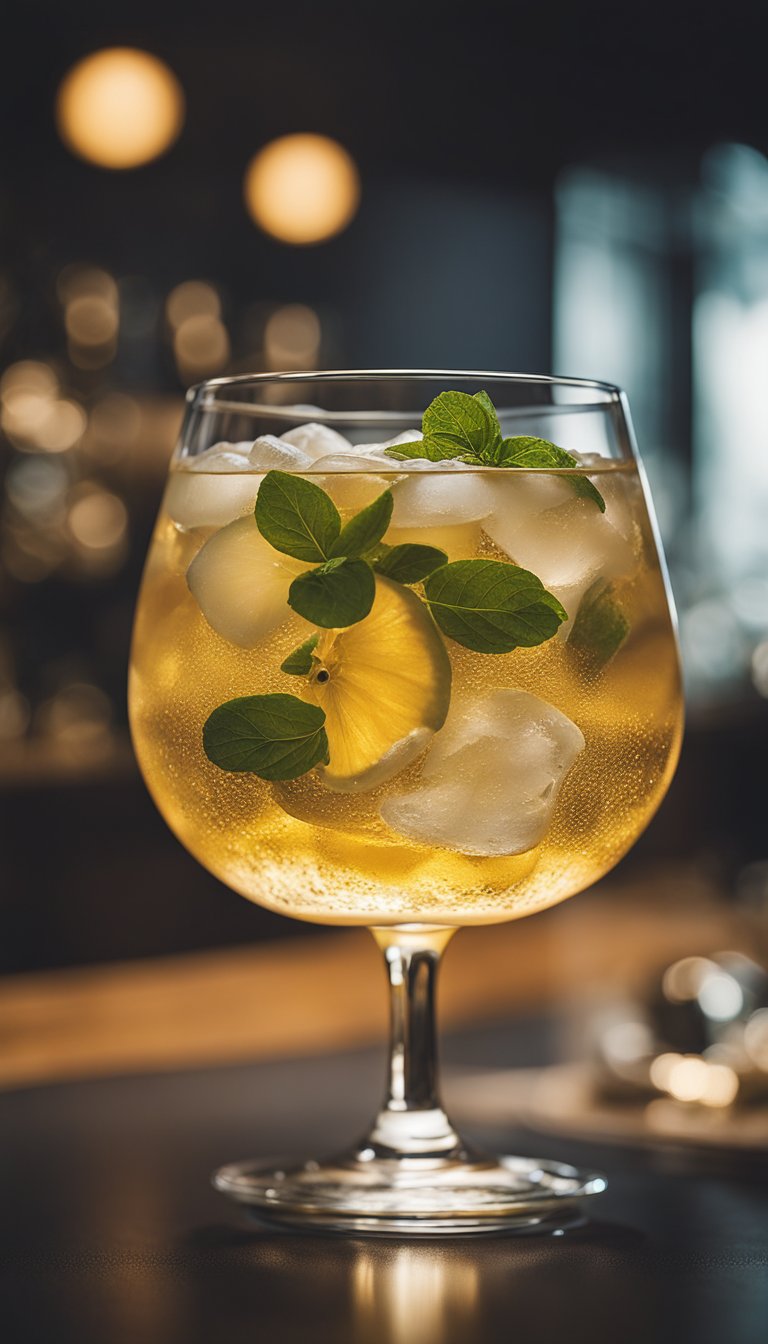
  • A garnish and herbs: Fresh herbs like mint and basil, paired to citrus twists and flower garnishes, are visually striking and add an aromatic spice to alcohol-free cocktails.

How to Present Yourself of Presentation

Presentation is an important aspect of mixology, and non-alcoholic cocktails are no different.

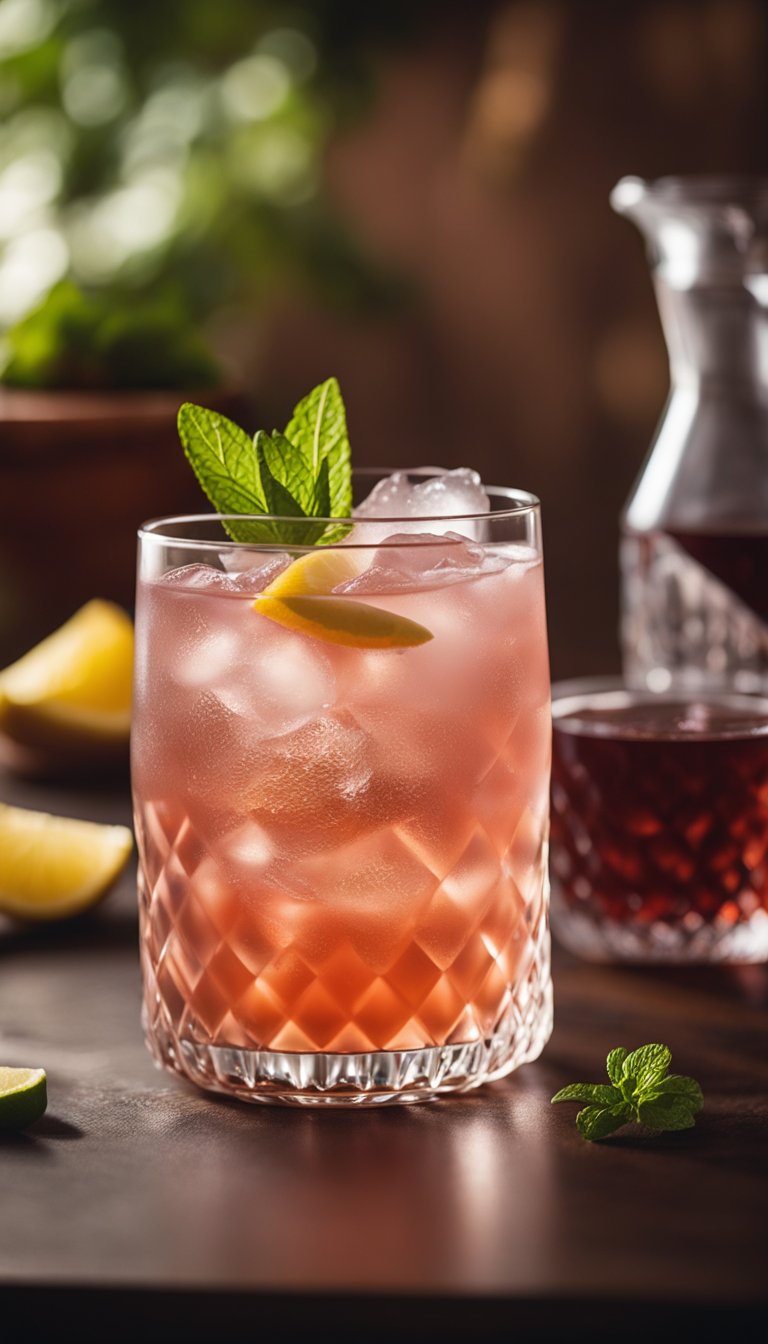
  • Glassware A good selection of glass increases the visual appeal of a drink. Highball glasses, coupe glasses and mason jars make a distinctive drinking experience.

  • Garnishes: From elaborate citrus twists to simple sprigs of rosemary. Garnishes do more than only make a beautiful appearance, but they also enhance the aroma of your dish.

  • Ice*: The form as well as the size can affect the dilution or temperature of the drink, making it a crucial factor.

What’s Next?

In the world of alcohol-free mixology one thing becomes evident: this isn’t the kind of trend that is going to fade away any time soon. Alcohol-free cocktails are here to stay, and they’re evolving into an artwork that is a celebration of creativity flavors, taste, and overall wellness.

In the following section, we will dive into the growing market for alcohol-free spirits in the UK, discovering exciting brands and products that are pushing this trend forward. Join us on our journey into the world of alcohol free drinks.

Stay tuned for more information, and let your sense buds prepare for a scrumptious experience!

+BILD+

Uncovering the Alcohol-Free Spirit Environment in the UK


Introduction

We’re back with our exploration of our world of spirit that is alcohol-free. In the past, we’ve journeyed from understanding what’s trending and the flavors of alcohol-free spirits to unraveling the art of crafting exquisite alcohol-free cocktails. Now, it’s time to embark on a fresh adventureaEUR”to explore the vast array of alcohol-free spirits brands in the UK.

In this section 4 in this fourth section, we’ll look into the brands and products that are driving the revolution of alcohol-free spirits in the UK. From established brands to brand newcomers, we’ll uncover the diversity and inventiveness that define this exciting market.

Section 4: Exploring Alcohol-Free Spirit Brands in the UK

The Pioneers


Seedlip The Original Non-Alcoholic Spirit

  • A botanical marvel: Seedlip was one among the pioneers in the category of alcohol-free spirits providing botanical blends that resemble the complexity of gin.

  • A growing business empire: Seedlip now boasts different flavors, including Garden 108, Spice 94, as well as Grove 42, each with its unique flavor profile.


Lyre’s: Creating the Classics

  • Traditional spirits with no alcohol Lyre’s has made an enviable name for itself through making classic spirits such as whiskey, gin, or rum, without alcohol.

  • A myriad of choices: Lyre’s extensive range is a vast array of spirits, guaranteeing that you can find an alcohol-free solution for everybody.

The Craft Distillers


Borrago: The Elegant Spirit

  • Elegance in the bottle: Borrago’s alcoholless spirit has been created to offer a sophisticated alternative to traditional Gin.

  • A luxurious experience featuring notes of rosemary, cardamom, along with citrus. Borrago will satisfy those seeking a premium alcohol-free option.


Ceder’s:”The Essence of Gin

  • Swedish source Ceder’s blends classic botanicals of gin with South African botanicals, creating an alcohol-free, unique gin experience.

  • Distinctive blends Ceder’s is different flavors ranging from Classic to Crisp to ensure versatility in alcohol-free gin cocktails.

The Innovators


Stryyk: Zero Proof, Maximum Flavor

  • Flavor-packed and alcohol-free: Stryyk challenges the belief that alcohol is needed to create bold and complex flavors.

  • Three distinct choices: Stryyk’s Not Gin, Not Vodka, and Not Rum offer alternative options for a variety of styles of cocktails.


Everleaf A Trip through Botanicals

  • This is a universe of plants: Everleaf takes you on a journey through the amazing world of the botanicals with its unique alcohol-free Aperitif.

  • It’s a taste experience It has flavors like vanilla, saffron and Cassia. Everleaf provides a delightful sensory adventure in the form of a glass.

What’s Next?

As we explore the brands and products that constitute the market for alcohol-free spirits in the UK it is apparent that the industry is thriving with creativity and innovation. If you’re looking for the classics, sophisticated selections or the most exciting new flavors, there’s an alcohol-free spirit brand that will satisfy your taste.

In the final portion of our journey to the end of our journey, we’ll look back and look at the general impact that alcohol-free spirits have on the market for beverages as well as the consumer. We’ll also provide a concise overview of our study which will tie together the principal information from each segment.

Keep following us as we approach the conclusion of our exploration into alcohol-free spirits. This is the most exciting part to come!

The Alcohol-Free Spirit Revolution Uncovering the Journey

We’re pleased to announce the grand conclusion of our investigation into the wonderful world of alcohol-free spirits. In this, the fifth and final section, we’ll look back on our journey, provide some of the most important points, and provide glimpses into the future for this rapidly changing industry.

Recap The Journey So Far Journey So Far

Before we delve into the future Let’s take a minute to look back at our experience in the world of alcohol-free spirits:

Part 1: Understanding the concept of alcohol-free spirits

In our first chapter we laid the groundwork for our exploration. We described what alcohol-free spirit is and explored their increasing popularity, and uncovered the driving factors behind this trend. Some of the key points we learned from this section include:

  • A growing demand for alcohol alternatives.
  • The importance of wellness and health in contributing to the growth trend.
  • The many flavours and botanicals that are available in alcohol-free spirits.

Section 2: Making Alcohol-Free Cocktails

Our second session was about creating alcohol-free cocktails. Mixology was the focus, we explored techniques for mixing while sharing delicious recipes, and highlighted the significance of balance and creativity when it comes to alcohol-free mixology. Some of the key insights from this section include:

  • Mixology can be described as a form of self-expression.
  • Important to use only high-quality ingredients.
  • Recipes for classic alcohol-free cocktails like the Virgin Mojito and Nojito.

Section 3: An A-Z of Flavors and Alcohol-Free Spirit Alternatives

In the third part of our series, we delved into the extensive and diverse world of alcohol-free spirit options. from botanical mixes to whiskey alternatives, we discovered the many options accessible to consumers. A few notable aspects from this section include:

  • Innovative brands such as Seedlip as well as Lyre’s.
  • The emergence of craft distillers offering premium alcohol-free options.
  • Innovative brands like Stryyk and Everleaf expanding the boundaries of flavor.

Section 4: Exploring brands that are alcohol-free in the UK

Our fourth and final segment was a journey through the industry of alcohol-free spirits in the UK. We explored the pioneers, crafts distillers, as well as the innovative people making the world a better place. This section shed light on:

  • Amazing botanical beauty of Seedlip.
  • Lyre’s passion for reviving traditional spirits.
  • Borrago’s class and sophistication.
  • Ceder’s blend is a fusion Swedish as well as South African botanicals.
  • Stryyk and Everleaf’s unique and bold products.

The future of alcohol-free spirits

As we wrap up our investigation we discover that the world of alcohol-free spirits brimming with potential. What’s the future for this fast-growing industry?

Continuous Innovation

Innovation will remain the driving force behind alcohol-free spirits. Expect to see more brands experiment with unique flavor profiles and ingredients, pushing the boundaries of what’s possible in exclusion of alcohol.

Expanding Market Coverage

Alcohol-free spirits are no longer considered to be niche products. They are now more readily available in bars, restaurants, and in retail stores. The market is set to continue growing as consumers try healthier and more mindful beverage options.

A Global Phenomenon

What started with a small-scale trend in a locality has quickly turned into a global phenomenon. The awareness around alcohol-free spirits increases, we can expect a surge in international interest and competition.

Conclusion: Cheers to the Future!

In conclusion, our voyage through the world of alcohol-free spirits has been nothing short enlightening. From learning about trends and tastes to making stunning cocktails, studying brands, and imagining the future, we’ve uncovered the enormous potential of this exciting sector.

When you begin your own adventure into an alcohol-free world, be aware that your options are limitless. Whether you’re a seasoned mixologist or a curious consumer there’s an array of tastes waiting to be discovered. Salute to the future of spirit that is alcohol-free, where every glass can provide an opportunity for creative thinking and wellbeing.

We appreciate your joining us in this journey. Keep an eye out for more insight into the ever-changing world of beverages.

Read More

An escalating EU and UK Sales of Non-Alcoholic Vodka: A Deep Dive

In recent years, the European Union (EU) and the United Kingdom (UK) have witnessed a remarkable increase in the volume of sales for alcohol-free spirits. This trend is changing the beverage industry, since more consumers are opting for alcohol-free alternatives without compromising on the fundamentals of their favorite spirits. In this in-depth exploration this article, we’ll go deep into all the nuances of non-alcoholic alcohol, learning what it is and why it’s getting huge popularity.

What is exactly Non-Alcoholic VODDKA?

Non-alcoholic vodka, also described as “alcohol-free vodka” or “spirit alternative,” is a beverage that is designed to replicate the taste and aroma of traditional vodka but without the alcohol content. It’s made using a mixture with herbs, botanicals as well as other flavors that mimic the characteristics of traditional vodka. The result is an alcohol that provides the familiar vodka flavor but without the euphoric effects.


The Appeal of Non-Alcoholic Vodka

The growing demand for non-alcoholic vodka is due to several reasons. Firstly, the health and wellness trends that are spreading across the EU and UK have prompted consumers to make more mindful choices in regards to their beverages. Non-alcoholic vodka is perfectly in line with these trends, allowing individuals to enjoy the tastes of vodka without having the negative health effects that come with alcohol consumption.

In addition, the younger generations, including Millennials and Generation Z, are driving this change. Generation Z and Millennials are aware of their health and increasingly opting for alcohol-free alternatives. The result is that non-alcoholic vodka has become popular with a larger portion of the populace.

Recent market research supports this trend, showing that there has been a significant increase in sales of non-alcoholic spirits, including vodka alternatives. Consumers are actively seeking these products, both in physical stores and online, looking for good alternatives to traditional alcoholic drinks.

As we continue our investigation further, we’ll explore what is driving the development of non-alcoholic vodkas in the EU as well as the UK. In the coming section we’ll reveal the essential role played by health-related and health trends in the emergence of popularity of this unique spirit substitute.

The Appeal of Non-Alcoholic Vodka

The appeal to non-alcoholic booze is multifaceted and reflects the needs of consumers who are increasingly health-conscious and mindful of their drinking consumption habits. Let’s review of the reasons why this trend has gained momentum.

New Health and Wellness trends

The movement for health and wellness has grown significantly in recent years. People are becoming more aware of the effects on their eating habits which includes the beverages they drink. This awareness has led to an important shift in the way they consume their drinks as more and more people seek alternatives that let them indulge in the tastes they love and not compromise their health.

Non-alcoholic vodka perfectly fits into this health-focused approach. It’s a good choice of those who want relish the flavor of vodka cocktails without suffering the negative consequences for health that alcohol can bring. This trend reaches numerous consumers that range from fitness enthusiasts trying to keep their active lifestyles to individuals simply looking to make healthier choices.


Statistics and Data

Recent surveys and market research in surveys and market studies in EU and UK indicate the rising popularity of non-alcoholic beverages. Customers are not just curious about these products and are actively incorporating them into their lifestyles. Statistics reveal a steady increase in the consumption and sales of non-alcoholic spirits like vodka and other alternatives.

In the following section we’ll take a look at how changes in preference of consumers, particularly younger generations, contribute to the rise of non-alcoholic spirits in the market.

Non-alcoholic

Non-Alcoholic Vodka, a Game-changer for those who are health conscious.

In the last section, we delved into this world of non-alcoholic vodka, gaining an understanding what it is and why it’s enjoying huge popularity in countries like European Union (EU) and the United Kingdom (UK). As we continue to explore the nuances of this fascinating trend, we’ll shift our attention to the factors driving the rise of non-alcoholic vodkas throughout these countries. Specifically, we’ll explore the key role played by the health and wellness trend to boost the popularity of this distinct spirit option.

The Health and Wellness Revolution

The growth of non-alcoholic vodka and non-alcoholic vodka in both the EU and UK is due to the wellness and health revolution that’s taking over the beverage industry. Consumers, particularly Millennials and Generation Z, are increasingly health-conscious and are making more mindful choices about their drinks.

A Healthy Alternative

Non-alcoholic vodka offers a great alternative for people who want to enjoy the flavors of vodka, without the harmful side effects of alcohol consumption. This perfectly aligns with general trend in health and wellness where people are seeking alternatives that allow them to enjoy their favorite drinks without compromising their health.

Athletes and fitness enthusiasts

For those who are fitness-oriented and who want to live a more active life alcohol-free vodka is a game changer. It meets the demand to drink a beverage that is compatible with their lifestyles that focus on health. Whether it’s a post-workout celebration or a refreshing drink on fitness retreats, non-alcoholic vodka is the answer.

Wellness-Driven Consumers

People who are concerned about their health are actively incorporating non-alcoholic spirits into their diets. This segment of the population considers it an excellent choice that improves their overall health as well as contributes to their health goals. Alcohol is not a factor, which makes it a safer and more appealing option for those who want to enjoy the experience of drinking vodka cocktails.


Market Statistics confirm the trend

Market data in Europe and the UK confirms that market data in EU and UK confirms the growing demands for alcohol-free spirits, even vodka substitutions. Statisticians have shown a consistent increase in sales and consumption of these drinks. These numbers support the notion that health and wellness is a major driver behind the popularity of non-alcoholic whiskey.

In the following section, we’ll delve deeper into how consumers’ preferences are changing especially those in younger generations and how those preferences contribute to this market’s evolution. Understanding these changes is vital in understanding the wider implications of this trend.

The changing landscape of Consumer preferences

In the last few years, there’s been a noticeable shift in consumer preferences, notably among younger generations. Millennials in particular and Generation Z are at the forefront of this shift in defining what it means to drink.

Mindful Consumption

Younger consumers are much more conscious of the amount they drink. Many have witnessed the negative effects of drinking heavily in older peers and they are determined to avoid similar risks. This is why they’re in search of alternatives that are alcohol-free and enable them to attend parties without the negative effects of alcohol.

The Experience Economy

Another significant shift is the advent of the “experience economy.” Younger generations prioritize experiences over possessions. For them, going out and having fun doesn’t necessarily mean drinking alcohol. Instead, they’re searching for different experiences, and non-alcoholic vodka is a perfect fit for the story.

It’s the Rise of Mocktails

Mocktails or non-alcoholic cocktails are becoming increasingly popular with younger customers. These sophisticated and alcohol-free beverages aren’t just a replacement for traditional cocktails; they can be considered a unique and enjoyable experience in their own right.

What’s Next?

As we’ve observed our previous posts, the trend towards health and wellbeing and changing consumer preferences are driving the increase in non-alcoholic vodka in the EU as well as the UK. In the next section we’ll look at the economic effects of this trend including the impact on industry of drinks and the potential for growth and innovation.

Leading Quality, Direct Connection: Order Your Alcohol-Free Spirits from Swedish Distillers Today!

The Economic Impact of Non-Alcoholic Vodka: A Growing Market

In our exploration of the world of non-alcoholic vodka, we’ve examined the genesis of this intriguing trend and discovered the role of health & wellness in its development within and across the EU and UK markets. Now, in the third installment of our series we examine the financial implications of this non-alcoholic phenomenon.

A Market on the Rise

The market for non-alcoholic vodka that exists in both the EU and UK is far from being a niche market. It’s a market that’s growing which is drawing the attention of both the industry and the consumers. Let’s study of how this area is impacting the economy.

Surging Sales

The sales of non-alcoholic vodka have been steadily increasing that indicates a robust and expanding market. This isn’t a sporadic trend; it’s a sustained demand that reflects consumers’ shifting tastes. The effect on the economy of this surge is immense, contributing to the overall revenues for the industry of spirits.

An Expanding Consumer Base

Non-alcoholic vodka has expanded the audience for spirits. It appeals not only those who would prefer to stay away from alcohol but also to consumers who want a diverse selection of options. The growth in the consumer base is reflected in the increased the size of the market and, subsequently having a positive impact on the economy.

Investment and Innovation

The rise in popularity of non-alcoholic vodka has led corporations to spend money on research and development. They’re seeking to create unique products that satisfy the discerning tastes of consumers. This investment in innovation is not only enhances product quality as well as stimulates expansion in the economy of the beverage industry.

Employment Opportunities

As the market expands also the demand of skilled laborers across different industries. From production and distribution to sales and marketing, the rise of non-alcoholic vodka opens up employment opportunities and aids in job growth.


Concerns about the environment Considerations

Non-alcoholic production of vodka often has a smaller carbon footprint compared to traditional production of vodka, which involves distillation and fermentation. This is in line with the increasing consciousness of sustainability in the environmental realm which makes non-alcoholic vodka an appealing option for environmentally conscious buyers.

What Lies Ahead

As we’ve seen, economic impact of non-alcoholic spirits in both the EU and UK is significant and diverse. The market is expanding the sales are soaring and the trend is creating job opportunities and also aligning with the sustainability goals. In the following section we’ll examine the ways that non-alcoholic vodka has prompted innovation in the industry and also what buyers can expect with regards to product range and quality.

easy

Technologies for innovation in Non-Alcoholic Vodka: What’s on the Horizon

In our investigation of the market for non-alcoholic vodka we’ve explored its long-standing roots and examined the influence of wellness and health trends, and scrutinized its economic impact. Now, in the 4th segment of our series we delve into the realm that is awash with innovation and see what could be in store for future developments within this fascinating part of the drink industry.

Crafting Exceptional Alternatives

One of many remarkable aspects that the trend towards non-alcoholic alcohol is its constant search for developing innovative alternatives to traditional spirits. We take a look at the world of innovation that’s reshaping the non-alcoholic vodka landscape.

Advanced Distillation Techniques

Master distillers are experimenting with new techniques for distillation that allow them to create non-alcoholic spirits with complex flavors and aromas. These methods involve the removal of alcohol and preserving what is essential to the plant extracts and grains used in traditional vodka production.

Flavor Diversity

Non-alcoholic vodka is no longer just a taste typical vodka. It’s evolving into a new category on its own, featuring flavors that go far beyond the classic vodka profile. There’s a myriad of choices, ranging from fruity infusions to herbaceous blends.

Transparency and Authenticity

In the current climate, consumers are demanding transparency and authenticity in their choices of beverages. Innovative vodka producers in the non-alcoholic sector are responding by offering details on the sources procedures, production methods, and the ingredients used, making sure that consumers understand exactly what they’re sipping.

Sustainable Practices

The green movement has now reached the spirit industry, Non-alcoholic vodka producers are at the forefront of this trend. Sustainable practices, like selecting organic ingredients as well as using green packaging, are becoming standard in this category.

Satisfying Consumer Demands

The development of non-alcoholic vodka market isn’t solely motivated by the desire for something new. It’s in the midst of meeting the evolving demands of consumers who want better choices to improve their health, taste preferences, and ethical values.

Health and Wellness

Consumers are becoming more mindful of their health and this is reflected in their drink choices. Non-alcoholic vodka with its less calories and a lack of alcohol, is perfectly in line with the health and wellness movement.

Lifestyle Choices

As more and more people choose the sober or low-alcohol way of life alcohol-free vodka can be an appealing alternative. It’s great for drivers with designated driver or pregnant women, or those looking to enjoy a night out without the high, non-alcoholic vodka appeals to diverse lifestyles.

Social Responsibility

The responsible consumption of alcohol is a growing global issue. Non-alcoholic alcohol is a tangible example of social responsibility offering an alternative that permits users to take part in social gatherings and not suffer from the negative impact of alcohol.

What Lies Beyond

In the next segment of our series, we’ll take a look at the impact of non-alcoholic alcohol on the consumer’s choices as well as the beverage industry as a whole. We’ll examine the shifting preferences of consumers and how they’re impacting the marketplace.

A New Future of Non-Alcoholic Spirits: A Five-Part Journey

In this series of five, we’ve taken a trip through the world of non-alcoholic spirits. We’ve been that we’ve explored the fascinating realm in non-alcoholic vodka. From its early history to the innovative future ahead and beyond, we’ve looked at the different aspects of this burgeoning industry. When we finish this series for the year, let’s pause to review our experience and contemplate the future for non-alcoholic spirits.

Part 1: Glimmer into the Past

In the first segment of this series the team delves into the background of spirits that are not alcoholic and their historical origins. We discovered that the notion that alcohol-free spirits can be substituted for traditional ones is not quite as revolutionary as it might appear. If it was used for medicinal purpose or simply drinks, non-alcoholic spirits have been part of the human tradition for a long time.

Part 2: Trends in Health and Wellness

In the second installment, we discussed how health and wellness trends have changed the beverage industry, including the growth the popularity of alcohol-free vodka. We examined the shifting attitudes towards alcohol, the desire to find healthier alternatives, and the effect these trends have on the choices of consumers.

Part 3 3. Economic Implications

The journey continued with an in-depth review of the economic impact of the non-alcoholic alcohol market. We examined the driving factors behind the market’s growth, including the expanding consumer base and the increasing investment in this sector. We also considered the possible challenges and opportunities ahead.

Part 4: New innovations in Non-Alcoholic Vodka

The fourth and final installment of our series explored the sphere of non-alcoholic vodka’s innovation in production. We explored the latest distillation techniques as well as the variety of flavors along with transparency in production and sustainability practices changing the direction of this business.

Fifth Part: What Lies Beyond

In this concluding chapter, we explore the future prospects of non-alcoholic spirits. As the market continues its evolution certain key trends and developments are likely to impact its future.

Evolving Consumer Preferences

The consumer is becoming more sophisticated and concerned about their health. The demand for non-alcoholic beverages that reflect these values is predicted to increase. We can anticipate a greater selection of flavors and tastes catering to a wide range of tastes.

Environmental and ethical considerations

Ethical sourcing and environmental sustainability have become a necessity in the beverage industry. Non-alcoholic spirit brands that embrace these principles are certain to prosper, and customers will increasingly favor products which adhere to these principles.

Expanding Market Reach

The non-alcoholic spirits market continues to expand beyond narrow audiences. As more people search for alternatives to traditional alcohol for a variety of reasons market will expand to accommodate an ever-growing population.

A Journey Continually Experiencing

The exploration of non-alcoholic spirit was just a glimpse into an industry that is rapidly changing. In the final moments of this particular series, it’s clear that this adventure isn’t finished. The future of non-alcoholic spirits offers fascinating possibilities, and we’ll be on hand to continue exploring them.

Conclusion

The world of non-alcoholic spirits and particularly non-alcoholic vodka, is experiencing revolutionized due to shifting consumer habits, new methods, and ethical considerations. As we end this five-part series, we’re reminded that this is a continuous process and the next chapter is brimming with potential. No matter if you’re a skeptic or a passionate consumer, stay tuned for exciting developments that lie ahead within the realm of alcohol-free spirits.

Read More

Unlocking the latest EU And UK Alcohol-Free Spirit Marketplace Trends: Now is the Time to Act to Secure the Best!

In today’s ever-changing beverage industry staying ahead of the trend isn’t just a marketing strategy but rather a necessity. As demand for more healthy and alcohol-free options continues to surge and the market for alcohol-free spirits throughout the European Union (EU) and the United Kingdom (UK) is experiencing remarkable growth. In this thorough guide, we’ll dig into the latest trends and market trends offering valuable information to help take your business to new levels.

Understanding the market for alcohol-free spirits

Before diving into how specific trends shape EU and UK markets, it’s crucial to grasp the wider context of spirits that are alcohol-free. These innovative beverages have been gaining a lot of attention in recent years, driven by a shift in consumer attitudes towards healthier and more conscious drinking choices.

Consumers today are more health-conscious and look for products that match with their overall health. Alcoholic beverages of the past no longer provide the same pleasure, as more consumers are looking for alternatives to provide an enjoyable experience but without the negative consequences of alcohol.

The alcohol-free spirit market responds to this demand by offering elegant, non-alcoholic beverages that simulate the aromas and flavors of traditional spirits like vodka, gin and whiskey. The products are aimed at a variety of patrons, such as non-drinkers, designated drivers, women who are pregnant, as well as those simply seeking to limit their alcohol consumption.

The Global Trend of Mindful Drinking

The growing popularity of alcohol-free spirits aren’t exclusive to the EU and the UK at all; it’s part of a larger trend that is known as “mindful drinking.” This movement encourages conscious choices about alcohol consumption, promoting moderation, and looking for alternatives that promote a healthier lifestyle.

The trend of mindful drinking is growing rapidly across the world. People are increasingly choosing drinks that allow them to have fun, party and relax without the negative impacts of alcohol. This shift in attitudes is driving the market for alcohol-free spirits to new levels.

Now that we’ve established both the environment of alcohol-free spirits, and the growing trend worldwide of mindful drinking In this section, we’ll turn our attention on the market trends in the EU. In the following section, we’ll provide an overview of the EU market along with its development trajectory and its market value.


Keep an eye out for the next section, where we examine the EU market for alcohol-free spirits in-depth, uncovering key statistics and trends that you need to know about.

mocktails

The EU Alcohol-Free Spirit Market: Statistic and Emerging Trends

In the constantly changing landscape the European Union (EU), the alcohol-free spirit market has become the center of attention with its appeal to both consumers as well as business alike. In the next section in our research into the most recent trends of the EU and UK markets for alcohol-free spirits we delve deeper into the EU market, offering an exhaustive overview of its size, growth, as well as the exciting trends that are shaping the future.

The EU Alcohol-Free Spirit Market at a Glance

Market Growth and Projections

The EU market for alcohol-free spirits has experienced remarkable growth in recent years, showing the market showing no signs of slowing. In terms of the market’s compound annual rise (CAGR) gives a vivid picture of its rise. According reports from industry sources, this CAGR figure for alcohol-free spirit market in the EU will be approximately 12% from 2020 to 2027.

The impressive growth is explained by a number of important factors:

  • Information for Consumers: Increasing awareness about the health risks that come with drinking alcohol has encouraged consumers to search for healthier alternatives. Alcohol-free spirits, with their appealing scents and flavors are now a popular choice for a variety of.

  • Diverse Product Offerings: This EU market is home to a vast choice of alcohol-free spirits and products that cater to a range of tastes, preferences and tastes. You may be a lover of the gin with botanicals, or a whiskey enthusiast, there’s an alcohol free solution for you.

  • Modern Marketing The brands are investing in innovative marketing strategies to make their alcohol-free products more visible. This includes partnerships with bars, restaurants and online influencers in order to reach a wider audience.

Valuation of the Market and Revenue

The EU alcohol-free spirit market’s current estimation of its value is in the range of a,!200-a,!250 million. This number will likely to rise in the coming years. This growth in the market is also evident in its revenue generation, and experts estimate that it could hit a million or greater in 2025.

The expansion of the market isn’t limited only to the long-established EU countries. Markets that are emerging in Eastern and Southern Europe are also contributing significantly to this expansion. In these regions, consumers are increasingly embracing alcohol-free spirits increasing their market’s geographic scope.

Emerging Trends in Europe Alcohol-Free Spirit Market

1. Craft and Artisanal Products

Consumers in the EU are showing an increasing preference for artisanal and craft alcohol-free spirits. They are impressed by the attention to detail, unique flavors, and the premium quality of these drinks. Craft distilleries are becoming more popular and focusing on small batches, handcrafted alternatives traditional spirits.

2. Sweet or low varieties

The health conscious consumers are scrutinizing the labels more than they have ever before. This has resulted in the demand for spirits without alcohol that have zero or minimal sugar content. Companies are responding by developing products that are geared towards this dietary preference, providing options that complement the lifestyle of a sugar-free one.

3. Functional Ingredients

Incorporating functional ingredients in alcohol-free spirits is an rising trend. People are seeking drinks that provide not just great tasting, but also health benefits. Ingredients like adaptogens and botanical extracts as well as vitamins are being added to create new and well-being-focused choices.

4. Sustainable and environmentally friendly practices

Sustainability is a primary concern for many people. Companies that promote green packaging and sustainable sourcing of ingredients are growing in popularity. It is evident that the EU market is seeing an increase in eco-friendly alcohol-free spirits that are appealing to environmentally aware consumers.


Keep an eye out for Section 3 We’ll shift our focus to the UK spirit market – alcohol-free – analysing its evolution and the elements that are driving its growth.

The Direct Choice for Quality: Order Your Non-Alcoholic Spirits from Swedish Distillers!

It is the UK It is entirely alcohol-free Spirit Market: A Soaring Trend

As we continue our trek through the dynamic sector of non-alcoholic spirits, we’re now turning our focus towards the United Kingdom, where the market for these innovative beverages is experiencing rapid growth. In this third installment of our series, we’ll look at the UK alcohol-free spirit market in depth in order to shed light on the developments, the factors, and consumer habits that are shaping its course.

The UK Alcohol-Free Spirit Market: A flourishing Landscape

Rapid Expansion and Market Dynamics

The UK alcohol-free spirit market has experienced an exponential rise in the past few years. This is in large part fueled by the following factors:

  • Information on Consumer Health: In the current concern for health and wellbeing growing numbers of consumers in the UK are taking a shrewd approach to their alcohol consumption. They seek alternatives that allow them to enjoy the flavor and rituals that come with spirits, but without adverse health risks.

  • Premiumization: This market seeing the emergence of high-end and premium alcohol-free spirits. These brands cater to those who value the best aspects of spirits, such as complex flavor profiles, premium ingredients, and meticulous workmanship.

  • A shift in social norms There’s an evolution in the way we think about social norms taking place in UK with alcohol-free drinks becoming more accepted in society and even fashionable. This is evident by the rise of alcohol-free bars and a broader selection of non-alcoholic options in traditional establishments and bars.

This is the UK Market in Numbers

Let’s explore some of the statistics that highlight the robustness of the UK spirits market that are alcohol-free:

  • Cost of Market: According to estimates, the UK alcohol-free spirits market is at approximately 50 million APS. This figure is projected to increase by a factor of three or four in the next few years as the demand of consumers continues to increase.

  • In-Consumer Acceptance: It has been found that more than 20 percent of UK adults have cut their drinking significantly, which has contributed to the increase in sales of spirits containing no alcohol.

  • Premier Segment The premium alcohol-free spirit segment is among the fastest-growing. Brands that provide premium alternatives to traditional spirits are winning substantial market share.

Trends Defining the UK Alcohol-Free Spirit Market

1. Alcohol-Free Mixology

Bartenders and mixologists are taking advantage of spirits that are alcohol-free to make sophisticated and original cocktails. This trend is advancing the reputation of alcohol-free cocktails in the world of mixing, inspiring both professionals and enthusiasts to create unique flavours and presentations.

2. Health-Centric Choices

People who are conscious of their health are turning to alcohol-free spirits that provide more than just a guilt-free drinking experience. These drinks often contain health-enhancing ingredients such as superfoods, botanicals, and adaptogens. They are aligned with the broader wellness movement.

3. Versatile Flavor Profiles

Diverse flavor profiles are one of the main features of the UK alcohol-free spirit market. Brands are offering a huge range of options, starting with juniper forward gins and moving on to smoky and complex whiskey alternatives. This variety means that there’s an alcohol-free spirit to suit every palate.

4. Sustainable Practices

Eco-conscious consumers are increasingly seeking products that are in line with their beliefs. Many UK spirits that are alcohol-free are responding to this demand by adopting ethical and sustainable practices, ranging from responsible sourcing to recycling packaging.

In the wake of the UK alcohol-free spirit industry booming the market, it’s evident that the trend will not fade away. In the coming section, we’ll investigate the global impacts of this fast-growing industry which includes its influence on markets around the world and the innovative innovations it continues incite.

Stay tuned to Section 4, where we’ll begin to study how EU and UK alcohol-free spirit market’s trends affect global trends in beverages.

nonalcoholic

The Global Impact in How EU and UK Drink-free Spirit Market developments impact the World

As we continue our exploration of the era of alcohol-free spirits, we’ve witnessed the way in which the United Kingdom has become a significant participant in this fast-growing sector. In this fourth section of our series, we’ll go beyond borders and discover how trends in the EU and UK market for alcohol-free spirits shape the global beer scene.

EU as well as UK The influence of the Global Stage

Europe’s Pioneering Spirit of Europe

The European Union has long been a center for innovation within the world of drinks. There’s no doubt that the EU is playing a lead role in the creation and popularization of alcohol-free spirits. The successes on the part of EU brands in the production of alcohol-free alternatives has set the scene to be recognized worldwide.

UK Market as a Catalyst

The UK with its dynamism and growing market for alcohol-free spirits, has acted as an instigator for positive changes. Here’s how:

  • Innovation Hub: In the last few years, the UK has been transformed into an innovation hub with many startups and established companies that are introducing new alcohol-free products. The enthusiasm for innovation has reverberated across the world, inspiring similar initiatives in other parts across the globe.

  • Exporting Excellence: UK-based alcohol-free spirit brands are exporting their products to international markets, showcasing British craftsmanship and deliciousness. This has resulted in increased awareness and increased demand for alcohol-free spirits worldwide.

World Expansion in Alcohol-Free Spirits

The US Market

The United States, known for its vibrant craft beer industry and has been embracing the alcohol-free spirit trend. US consumers are looking for alternatives to traditional alcoholic beverages and both international and American brands are rising to fulfill this demand.

Asia-Pacific Region

The Asia Pacific region, home to a variety of cultures and traditions is witnessing the rapid expansion of alcohol-free spirits. Countries such as Japan and Australia are creating their own distinct alcohol-free offerings and catering to the tastes and preferences of their local communities.

Latin America

In Latin America, where vibrant drinks are common, the spirit that is alcohol-free is starting to gain momentum. The companies are developing products that capture the essence of regional flavors, making them a successful product in both local and international markets.

The Ripple Effect

The influence and influence of EU and UK trends in the market for alcohol-free spirits go beyond the scope of innovation in product design. They have sparked discussions and actions relating to health sustainable, environmental sustainability, and the choice of consumers on a global scale.

Health and Wellness

Worldwide, consumers are increasingly conscious regarding their own health. This has led to international brands to develop alcohol-free alternatives that give similar sensory experiences to traditional spirits, but without the harmful effects of alcohol.

Sustainable Practices

Sustainability is becoming a major concern in the world. The environmentally friendly practices used by EU and UK alcohol-free spirits have sparked similar efforts around the world. From sustainable sourcing of ingredients to reducing carbon footprints, sustainability has become a key feature of the industry.

What Lies Ahead

In our exploration of the effects that EU and UK markets for spirits that are alcohol free across the globe, it’s evident that this isn’t just a passing fad. It’s a transformative trend that transcends national borders, cultural norms, and expectations of consumers.

In Section 5 this series, we’ll end by looking forward towards the future of alcohol-free spirits. We’ll examine emerging technologies along with changing consumer preferences and the latest innovations that promise to keep this movement alive and relevant.

Join us as close our journey in the exciting world of alcohol-free spirits.

The Future of Alcohol-Free Spirits: Innovations and Beyond

In the final stage of our exploration of the fascinating the world of alcohol-free liquor, we’re at the intersection of opportunity and innovation. In the final part of our series we’ll examine the future for the industry, how the latest technologies are shaping the landscape, and the way that alcohol-free spirits continue appeal to consumers worldwide.

Future Innovations in the Making

Breakthroughs in Distillation

Traditional distillation methods were at the forefront of preparing alcoholic spirits for hundreds of years. In the world of alcohol-free spirits there are innovators pushing the boundaries of distillation to make items that resemble the flavor and scents of traditional spirits without the alcohol content.

The science of Molecular Mixology

The process of making molecular mixes, traditionally reserved for high-end mixologists, now is making its way into the alcohol-free world. By utilizing the latest scientific research, mixologists are experimenting with unique textures, infusions, and presentations which elevate the non-alcoholic drinking experience to new levels.

The Role of Technology

Augmented Reality Tasting

Imagine being able to “taste” an alcohol-free spirit before you purchase it. Augmented Reality (AR) technology has enabled customers to discover the aspects of alcohol-free spirits’ taste through immersive experiences, assisting them make educated choices.

Blockchain for Transparency

Blockchain technology has increased transparency and traceability in the manufacturing and distribution of spirits that are alcohol free. The consumer can track the supply chain from farm to bottle, assuring the authenticity and sustainability of the items.

A Sustainable Future

Eco-friendly Packaging

Sustainability is a top priority. Many brands are adopting green packaging, from biodegradable bottles to reusable containers for a less negative impact on the environment.

Zero-Waste Distilleries

Distilleries are working towards becoming zero-waste facilities. By repurposing waste materials, recycling, and adopting energy-efficient methods, they seek to reduce their ecological footprint.

The Global Reach

Expanding International Markets

The global consumption of alcohol-free spirit continues to increase. There are brands across the EU, UK, and beyond are exploring new markets and introducing consumers worldwide to new flavor combinations and new creations.

Cultural Integration

Alcohol-free spirits are increasingly becoming component of various celebrations, festivals and traditions. In the increasing number of people who prefer non-alcoholic alternatives, these drinks are finding a place in diverse rituals and social gatherings.

Conclusion: Reflecting on Our Journey

Our exploration of alcohol-free spirits has been nothing less than stimulating. Through five distinct sections in which we’ve investigated the history, market trends, global influence, and future technological advancements of this sector.

Beginning with section 1, where we examined the historical foundations of alcohol-free spirits to Section 4, where we witnessed the global impact of EU and UK market developments, we’ve observed how this industry has evolved over time, evolved, and thrived.

In Section 5, we’ve explored the future, where the two fields of sustainability and technology will alter the ways alcohol-free spirits can be used. spirits. As the world continues to shift toward mindful consumption, this industry is poised to be the leader.

A Review of Our Journey

  1. The origins of alcohol-free Spirits We explored the history of the development of alcohol alternatives and their long-lasting appeal.

  2. This is the Booming Market: Our journey led us through the exponential growth of alcohol-free spirit market, fueled by technological advancement and changing consumer preferences.

  3. EU in addition to UK Influence We looked at how significant the influence of EU as well as UK commercial markets in the worldwide drinking of alcohol-free spirits.

  4. Worldwide Impact in this section we saw how the other world regions are accepting this trend, across the US across Asia-Pacific along with Latin America.

  5. The future Our last stop is a glimpse at the future where technology development, sustainability, and international expansion are likely to change the landscape of alcohol-free spirits.

When we wrap up this series, we’re enthusiastic about the many possibilities that lie ahead. The industry of alcohol-free spirits has become a niche into a global movement offering consumers an array of tasty, sophisticated, and health-conscious alternatives.

We thank you for taking us as we journey through all the different spirits made without alcohol. You can be a connoisseur or are a naive newcomer to the scene, the future is rich with possibilities to explore, taste and appreciate the varied options of alcohol-free cocktails.

Keep checking back for updates in the form of updates, information, and adventure in the ever-evolving world of drinks. Welcome to a vibrant and flavorful future!

Read More

Unlocking Access to EU of the UK, and Alcohol-Free Spirit Market Segmentation: Act now to ensure success!

In a time where consumer preferences are evolving rapidly and the market for alcohol-free spirits has seen a significant shift. In the EU and UK, known for their rich traditions in alcoholic beverages but are seeing an upsurge in demand for alcohol-free alternatives. To navigate the ever-changing environment successfully, businesses have to be aware of the intricate nature of segmentation of markets. In the first installment that we will be covering, we’ll look at the underlying principles of why market segmentation matters and examine its significance for alcohol-free spirits.

What is the reason? Market Segmentation Is Important

Market segmentation consists that divides a market into smaller groups that can be managed dependent on specific characteristics preferences, and behavior. It serves as a strategic device that allows businesses to make their product and marketing efforts to meet the unique requirements of each market segment. The following are the reasons why segmentation is crucial:

  1. Strategic Marketing In determining distinct markets and consumer segments companies can design targeted marketing strategies that meet the unique preferences and demands of every segment. This leads to more efficient advertising strategies and higher conversion rates.

  2. Modification of Product: Recognizing different markets lets companies design products that fit the tastes and demands for each customer group. This can not only increase the satisfaction of customers, but also helps to build brand loyalty.

  3. Resources Efficiency A market-segment strategy helps effectively allocate resources. Instead, instead of using a one-size fits all strategy, companies can focus their resources on segments with the highest potential for growth and profit.

  4. Competitive advantage The companies who are successful in segmenting their market gain competitive advantage. They can find gaps in the market, develop unique value propositions, to differentiate themselves.

  5. Customer Retention: Customized marketing and products improve customer satisfaction and, consequently increases the rate of retention for customers. More loyal customers are more likely to become advocates for your company.

Alcohol-Free Spirit Market in EU and UK

Types of Alcohol-Free Spirits

Before tackling market segmentation, it’s important to comprehend the alcohol-free spirits scene in the EU as well as the UK. The market has experienced remarkable growth, with an expanding number of alcohol-free spirits offered. Some of the most well-known categories include:

  • Alcohol-Free Gins: Created with the intention of capturing the natural essence of traditional Gin, alcohol-free gins have the same flavor of botanicals, but sans alcohol. They are well-known for their ability to be used in cocktails as well in standalone drinks.

  • Alcohol-Free Whiskeys: Whiskeys without alcohol aim to reproduce the rich and smokey flavors of whiskey that are traditional. They are ideal for people who enjoy the taste of whiskey, but want to stay away from alcohol.

  • Alcohol-Free Vodkas: Alcohol-free vodkas deliver the clean and fresh taste of traditional vodka, but without the alcohol. They are often used in mixed drinks and mocktails.

  • Alcohol-Free Rums: Rums that are not alcoholic capture the flavor and depth of traditional rums. This makes them a crucial ingredient in alcohol-free tropical drinks.

  • Tequilas without alcohol: They retain the earthy hints and agave nuances you’d expect from traditional tequilas creating a great base for non-alcoholic margaritas and cocktails.

The diversity of alcohol-free spirits demonstrates the industry’s commitment to catering to a range of consumer tastes and preferences. As the demand for these spirits continues to rise and market segmentation is becoming increasingly important for businesses who want to succeed in this competitive environment.

In the following section, we will look at how consumer preference plays a significant role in alcohol-free spirit market segmentation. It will help us understand the factors that cause people to select alcohol-free alternatives. Let’s get into this exciting process of understanding the EU and UK market for alcohol-free spirits.

zero

Your Direct Source for Excellence: Order Boxes of Swedish Distillers’ Alcohol-Free Spirits Now!

Understanding Consumer Preferences and the EU and UK Alcohol-Free Spirit Market

In our first segment, we looked at the fundamentals of segmentation of markets in the flourishing EU and UK Spirits that do not contain alcohol. This second segment in our series delves into the core of the issue which is the preference of the consumer. Understanding what drives consumers to opt for alcohol-free spirits is crucial for those who want to find their niche within this growing market. Let’s embark on this journey of exploration.

A Changing Consumer Landscape Evolving Consumer Landscape

Consumer preferences are at basis of every market, and the market for alcohol-free spirits is no exception. The following facts shed light on the evolving consumer landscape:

Health and Wellness Trends

One of the biggest factors driving the alcohol-free spirit market is the increasing trend towards health and wellness. Health-conscious consumers are increasingly sought after looking for products that are in line with their desire for the right balance in their lives. Alcohol-free spirits are a great option for those who wish to indulge in the flavor and social benefits of drinking but without the negative health impacts of alcohol.

Millennial Influence

Generation Y, born between the years 1981 and 1996, are an influential force in shaping the fashions of consumption. Generation Y values experiences more than possessions and is more inclined to investigate healthier and new alternatives to alcohol, including spirits that are non-alcoholic. They’re also a crucial demographic that businesses should target.

Social Responsibility

The younger generation of consumers, especially are more responsible in their purchase decisions. They will choose brands that are ecologically friendly, ethical and mindful of their social responsibilities. Spirits producers that do not contain alcohol and promote the importance of sustainability and ethical production practices often resonate with these consumers.

Flavor Variety

The market for alcohol-free spirits has adapted to consumer demands for different flavors. For example, whether it’s a botanically-infused alcohol-free vodka, a spicy alcohol-free whiskey, or a tropical rum that is alcohol-free The range of flavor options is a boon to different tastes and preferences. This selection is attractive to consumers looking for the most exciting and unique beverages.

The effects of alcohol Reduction and Abstinence

For individuals reducing their drinking or refusing to drink any alcohol at all and drink alcohol-free spirits, they are an appealing alternative. They let people participate in social gatherings and take pleasure in the process of making cocktails without the detrimental effects of alcohol.

Fundamental Considerations to Market Segmentation

Understanding the preferences of consumers is essential to market segmentation. For effective segmentation of the EU and UK markets for alcohol-free spirits, businesses must consider the following:

Demographics

Age, gender, income level as well as location play a significant part in consumer preference. Younger consumers, for instance may be more inclined to experiment with new flavors, and older consumers might value health benefits.

Lifestyle

People’s lifestyles significantly impact their choices. For those who live a vigorous lifestyle, they may look for low-calorie or energy-boosting alcohol-free choices, while others may enjoy alcohol-free spirit to enjoy a relaxing evening at home.

Special occasions

There are many occasions that require different beverages. Businesses must think about how consumers prefer alcohol-free spirits, whether for celebrations, social gatherings or even for personal relaxation and modify their marketing strategies in accordance with the needs of their customers.

Taste Preferences

Flavor profiles matter. Certain consumers prefer Gin’s botanical flavors, and others prefer the richness and smoky flavor of whiskey. Segmenting the market according to consumer preferences lets companies concentrate on certain niches.

Values and Ethical Factors

People are increasingly choosing brands that adhere to their beliefs. Businesses that promote ethical sourcing in addition to sustainability and responsible production can attract people who are socially conscious.

In taking these elements into consideration, businesses are able to create targeted marketing campaigns create products that meet specific consumer needs and build a solid brand in the EU and UK spirit market, which is alcohol-free.

In the next segment we’ll dive into the competitive landscape of this industry and examine the major players and strategies that are creating its future. Follow us for updates about how you can distinguish yourself in this highly competitive market.

Formulating a Strategy that is Successful with your EU and UK Drink-free Spirits market

Welcome to the third chapter of our exploration of in the EU and UK alcohol-free spirit market. In the earlier parts, we delved into market segmentation and consumer preferences and uncovered the complex landscape which companies have to traverse. Now, it’s time to examine how to devise a winning strategy in the booming industry.

Understanding the Competitive Landscape

Before you get into strategy development it’s essential to comprehend the competitive landscape. The market for alcohol-free spirits is competitive and vibrant, with many players competing for attention from consumers. Here are some essential knowledge about the present state of the market:

Market Growth

The market for alcohol-free spirits is experiencing remarkable growth, with new brands joining the market frequently. As demand for the product continues to rise, competition will increase and making it more important for businesses to stand out.

Established Players

Numerous established players dominate this market, establishing high brand recognition and loyalty. They’ve set the benchmark in quality and taste which makes it difficult for newcomers and startups to break through.

Niche Players

Niche brands have made it big in catering to specific customer segments or offering distinct flavor profiles. They typically succeed by meeting unmet requirements in the market.

Crafting Your Unique Selling Proposition (USP)

To be noticed in this highly competitive market, businesses need to define a compelling Unique Selling Proposition (USP). Your USP is what separates you from your competitors and allows consumers to select your alcohol-free spirits instead of others. Here are some strategies to think about:

Flavor Innovation

In a market driven by diverse taste preferences and preferences, innovative flavor profiles can be game-changing. Explore unique botanicals, infusion techniques, and natural extracts to create unique flavors.

Health and Wellness Focus

Given the rising health-consciousness of consumers, emphasizing the health benefits you can get from your alcohol-free spirit could be a powerful USP. Use low-calorie, sugar-free and natural ingredient attributes.

Sustainability and ethics

Customers are increasingly inclined to choose brands that are committed to sustainable, ethically sourced products, and responsible production. Display your commitment to these values in your packaging and marketing.

Marketing and Branding

Effective marketing and branding are vital. Create a distinctive brand identity that appeals to the people you want to reach and tells a compelling tale. Put your money into packaging which communicates the essence of your business.

Partnerships and Collaborations

Partner with influencers and bars restaurants, or event organizers to increase your reach. Strategic partnerships can help you introduce your products or services to a larger market.

targeted marketing and consumer education

Once you’ve established your USP, it’s time to get serious about marketing and education. Here’s how you can approach it:

Digital Marketing

Make use of the power of digital marketing to reach out to your intended viewers. You should invest in search engine optimizing (SEO) for ensuring that that your website appears in the top search results. Social media is a great way to communicate with consumers and promote your products.

Content Creation

Create relevant content that teaches consumers about the benefits as well as versatility of alcohol-free spirits. Blog posts, videos or infographics can aid consumers comprehend how to integrate your products in their lives.

Tasting Events

Plan tastings in restaurants, bars, and other alcohol-free events. The opportunity for customers to experience your spirit firsthand can be a highly persuasive sales technique.

Customer Support

You should provide excellent customer support in order to resolve customer concerns and build trust. The responsive and knowledgeable customer service will convert potential customers to loyal supporters.

In our next section in the next part, we’ll take a look at distribution channels and how you can effectively put your products into the consumer’s hands. Keep an eye out for more information on growing your market share and making alcohol-free spirits accessible to a broader audience.

Top

Utilizing Distribution Channels to Get Your Alcohol-Free Spirits to the Consumers

Through our exploration of in the EU and UK alcohol-free spirit market we’ve explored market segmentation preferences of consumers, and the art of crafting an appealing Unique Selling Proposition (USP). We now turn our attention to another crucial aspect to success: distribution channels. What can you do to effectively ensure that your alcohol-free spirits are in the hands of eager consumers? Let’s take a look.

Understanding Distribution Dynamics

When you are deciding on your distribution strategy it’s important to comprehend the nuances of the alcohol-free spirit market. Here are key insights into this current state of affairs:

Traditional Retail

Traditional retail channels, like supermarkets and liquor stores were traditionally the main distribution channels for alcohol. However, the landscape is changing as consumers search for healthier alternatives.

Online Retail

E-commerce has transformed the distribution of spirits that are alcohol-free. These platforms allow customers to discover a vast array of options, making it an attractive option for brand new companies.

Specialty Stores

Specialty stores catering to health-conscious customers or those looking for unique products have become invaluable distribution partners. Take into consideration partnering up with these retailers for access to special markets.

Restaurants and Bars

Bars and restaurants serve as a vital part in introducing customers to new liquors that are alcohol-free. Join forces with establishments to offer your products on their menus.

Crafting Your Distribution Strategy

Now that you have an understanding of how distribution works Let’s develop a winning distribution strategy:

Multi-Channel Approach

Consider a multi-channel distribution approach to reach an even wider target audience. Mix traditional retail, e-commerce and specialty stores to maximize the reach of your business.

Online Presence

Invest in a solid online presence. Create an online shop that is user-friendly where customers can browse, buy, and get information concerning your goods. Optimize your site with search engines (SEO) to improve your online visibility.

E-Commerce Partnerships

Find partnerships with E-commerce platforms, including Amazon or specialized alcohol-free spirit marketplaces. These platforms are home to a huge audience that are always looking for new products.

Wholesale Partnerships

Join forces with wholesalers and distributors specialising in alcohol-free drinks. These companies have networks established and can assist you in bringing your product to more retail outlets.

Direct-to-Consumer (DTC)

Explore a Direct To Consumer (DTC) design, where you sell your alcohol-free spirits directly to consumers through your website. DTC will result in greater profit margins and better customer relationships.

Regulatory Compliance

Navigating the alcohol-free spirit market also means ensuring compliance with regulations. Be sure your products comply with all legal requirements, and also obtain the necessary permits and licenses to sell your product.

Consumer Education

Educating consumers about your products is essential to ensure a successful distribution. Try these ideas:

Informative Website

Create a site that contains extensive product information including cocktail recipes, as well as often asked the questions (FAQs). This information will assist consumers in making an informed decision.

Tasting Events

Then, host tastings at different distribution points that allow customers to sample your alcohol free spirits. These events give customers hands-on experience and encourage brand loyalty.

Social Media

Utilize social media platforms to interact with customers and to share content that informs them of how to make use of your products.

In the next section, we will discuss for Keeping Market Relevance

In closing this segment on distribution channels and distribution channels to keep in mind that getting alcohol-free spirits in the consumers’ hands is only the beginning. In the next chapter we’ll discuss ways to ensure that your product remains relevant and adapting to changing expectations of consumers. Keep your eyes peeled for information on innovative products and staying in front of the competition.

Maintaining Success: Navigating the EU and the UK Alcohol-Free Spirit Market – Part 5

Welcome to the conclusion of our extensive series on how to manage the EU and UK alcohol-free spirit market. In this concluding article, we’ll take a look at the key aspects of maintaining market relevancy and recollecting the major lessons of our trip. So, let’s start this final leg of our exploration.

Staying ahead of the curve through innovation

As the alcohol-free spirit market is changing and change, staying ahead trends is vital. Here’s how to invent so that you remain relevant to the market

New Product Development

Insist on research and development to come up with innovative alcohol-free spirits that cater to changing consumer preferences. Explore new flavors including ingredients, packaging, and packaging, to catch the attention of consumers.

Health and Wellness Focus

Highlight the health and wellness aspects of your product. Focus on the benefits of nutritional supplements, natural ingredients, and how alcohol-free spirits can be a part of a healthy, balanced lifestyle.

Sustainable Practices

Incorporate sustainable practices into your production and packaging. Green choices appeal to environmentally conscious consumers. They can also set your brand apart.

Marketing and branding

Effective branding and marketing is the key to sustaining performance. Consider the following strategies:

Storytelling

Tell your story with engaging content. Make sure to highlight the story, values and vision behind the alcohol-free spirit you sell to make connections with your customers on a the deeper level.

Collaborations with Influencers

Join forces with influential individuals in your health and wellbeing or mixology niches. Their endorsement can expand your reach as well as increase the credibility of those you want to reach.

User-Generated Content

Encourage customers to share their experiences with your brand on social media. The content created by customers can generate an atmosphere of community and authenticity surrounding your brand.

Reacting to Trends in Consumer Behavior

Fashions and trends for consumers are constantly changing. To stay relevant, follow and adjust to these changes:

Wellness and Health Trends

As health-consciousness grows, align your products to wellness trends. Offer sugar-free, low-calorie or functional alcohol-free spirits to keep up with consumer demand.

Cultural Celebrations

Explore cultural events and holidays. Develop special editions or cocktails especially designed for these occasions in order to meet seasonal demand.

Review of Our Journey

Through this article, we’ve examined the complex landscape of the EU and UK market for alcohol-free spirits. Let’s review the main takeaways from each piece:

Article 1: Market Segmentation

Understanding the target market and segmenting your market is vital for the success. You must identify the niches in the alcohol-free spirit market to create your products effectively.

Article 2: Crafting an Effective USP

Crafting a Unique Selling Proposition (USP) helps differentiate your brand. You should identify what sets your alcohol free spirits apart, be it quality, taste, or sustainability.

Article 3 The distribution channel Channels

Effective distribution is key. Make use of a multi-channel strategy, invest in e-commerce, and consider partnerships that can reach the largest audience.

Article 4: Regulatory Compliance and Consumer Education

In compliance with regulations, there is no compromise. Make sure that consumers are informed about your products via informative web pages, tasting events as well as social media interactions.

Article 5: Sustaining Success

Innovation marketing, branding, and adaptation are key to sustaining success. Keep an eye on consumer trends, pay attention to health and be sure to celebrate important cultural moments.

Conclusion

In the dynamic EU and UK alcohol-free spirit market, continuous success demands constant change. From market segmentation to distribution routes, regulations compliance, and the latest innovations we’ve covered the crucial aspects that make a difference in the industry.

Keep in mind that success is not constant; it’s a continuous process of continuous improvement and a constant process of adaptation. Staying flexible, attentive to consumers and innovative, you can navigate the market for alcohol-free spirits with ease.

We thank you for taking us in this adventure. These insights should help you to make informed choices and succeed in this thrilling market. All the best for your continued success as a pioneer in alcohol-free drinks!

Read More

Aromhuset Drink Mix For Sports Events

Jan Frodeno, Eliud Kipchoge and Kenenisa Bekele have made famous by using Maurten’s drink mix for sports events as an energy source during long endurance activities. One sachet mixed with 500ml of water provides 40 grams of carbohydrates; using the CARBS slider you can select how complex (maltodextrin and mix of glucose/sucrose) carbs compare with simple sugars for optimal hydration during exercise or sports events. Carbohydrates provide replenishing energy stores while aiding body retention of fluid.

This sports drink does not contain any doping substances and has been thoroughly tested by WADA-accredited labs, using 100% natural ingredients without artificial flavors, sweeteners or colors. With its medium sodium level and recommended for longer workouts with increased sweat output.

Read More
PREVIOUS 1 … 13 14 15 16 17 … 85 NEXT

Menu

  • A Solution for Small Breweries to Generate Extra Income Using Existing Equipment
  • Discover the Ultimate Automated Pinterest Pin Automator
  • Aromhuset Zero Sugar Concentrate For Sleep
  • Aromhuset Zero Sugar Concentrate For Book Clubs
  • Aromhuset Drink Mix For Energy
  • The Art of Architectural Storytelling
  • Aromhuset Cocktail Mixer Set Review
  • Aromhuset Zero Sugar Concentrate For Travelers
  • Aromhuset Zero Sugar Concentrate Mocktail Recipes
  • Aromhuset Drink Mix For Breakfast
  • Aromhuset Drink Mix For Housewarming Celebrations
  • Street Photography – Candid Moments in Cities
  • Aromhuset Zero Sugar Concentrate For Game Nights
  • Aromhuset Holiday Drink Recipes
  • Aromhuset Drink Mix For Wellness Retreats
  • Aromhuset Drink Mix For Pre-Workout
  • Aromhuset Drink Mix For Afternoon Tea
  • Aromhuset Drink Mix For Valentine’s Day
  • Aromhuset Drink Mix For Garden Weddings
  • Documenting Vanishing Cultures in Photography
  • Privacy
  • Sitemap
  • Privacy
  • Sitemap

Powered by hembryggning.info