chapter 7
Advice For People Who Need To File Bankruptcy

Are your debts out of control and you think that your only escape is bankruptcy? You aren’t alone. Lots of people all over the world have used bankruptcy as a means to get themselves out of a troubled financial situation. The article below discusses some information and tips to help you make sense of bankruptcy.
As bankruptcy appears on the horizon, don’t take your savings or retirement accounts to try to pay off all your bills. Do not tap retirement accounts unless there is no other alternative. Though you may have to break into your savings, keep some available for difficult times. You will be glad you did.
Do not be afraid to remind your attorney of important specifics of your case. Do not assume that if you’ve already told him or her something important once, that they will remember it later without a reminder. Remember that you’re the boss. You’re paying your lawyer, so you should not be afraid to have your say. After all, the quality of your life hangs in the balance.
Avoid paying for a consultation with the bankruptcy attorney, but do ask many questions. Seek free consultations from a handful of lawyers, before deciding which one to hire. Choose to file only if your lawyer has convinced you that this is the best decision. You don’t need to decide what to do right away. This offers you the opportunity to speak with other attorneys.
60 Month Period
Before filing for bankruptcy, determine whether Chapter 13 or Chapter 7 is appropriate for your financial situation. If you file for Chapter 7 bankruptcy, all of your debts will be eliminated. Any debts that you owe to creditors will be wiped clean. With a chapter 13 bankruptcy, a 60 month period of time will be established in which you will repay the as much of your debt as possible. Following the 60 month period of time, the remainder of your debt will be excused. It’s crucial that you know the differences between all of the various kinds of bankruptcies so that you may choose the best option for your situation.
Before filing a bankruptcy claim, make sure that your home is well protected. Bankruptcy filings do not necessarily mean that you have to lose your house. Depending on whether the value of your home has decreased or if you have a second mortgage on the home, you may end up keeping it. You may also want to check out the homestead exemption because it may allow you to keep your home.
Ensure that you bankruptcy is your best choice. Perhaps just consolidating some of your existing debt, could make them easier to manage. Bankruptcy is not a simple, breezy course of action that should be taken lightly. It will also limit your ability to get credit for the next few years. Therefore, before you file for bankruptcy you need to consider all of your alternatives.
Consider filing using chapter 13 bankruptcy. If you have less than a quarter of a million dollars in debt that is unsecured and a regular income, you are eligible to file a Chapter 13. The benefit of this plan is that you retain personal belongings and private real estate and your debts are repaid by an organized payment plan. This repayment period usually lasts from three to five years. If you make your payments faithfully during that time, any remaining unsecured debt will be eliminated. Remember that you must make every payment. Missing even one could cause the court to dismiss your case.
As mentioned at the beginning of the article, you are not the only person in the world who has found themselves needing to file bankruptcy. But with the benefit of the information you have here, you have a head start on your journey. Ensure the ease of the bankruptcy process with these tips.

Taking The Challenge Out Of Your Bankruptcy

A lot of folks think that filing for bankruptcy is only something losers do, but change their minds quickly when they are directly affected. Changing circumstances, like losing a job or divorce, can create a situation where claiming personal bankruptcy is the only choice possible. Whatever your reasons for filing bankruptcy, the article below can help.
If you are considering paying your taxes with credit cards and turning around and filing bankruptcy–they are on to you. In many parts of the country, you cannot get this debt discharged, and in the end you will be left owing the IRS a big sum of money. Rule of thumb is if the tax is dischargeable, then the debt will be dischargeable. Thus, it doesn’t make sense to use a credit card when it is going to be discharged when you file for bankruptcy.
Before undertaking the bankruptcy process, ensure you have made the correct decision. Avail yourself of other options, including consumer credit counseling, if they are appropriate for your situation. Bankruptcy will be on your credit report and affect your credit score for many years to come, so it is a decision that should not be taken lightly. Try to use it as a last resort.
Secured Card
The best way to build your credit up after a bankruptcy is making all your payments on time. If you find yourself in this situation, you may want to think about getting a secured card or two. By doing this, you will be letting people know that you want to fix your credit score. If you pay your secured card off on time, you’ll eventually find that companies will start offering you unsecured credit.
Research what assets are exempt from seizure before you decide to declare bankruptcy. The Bankruptcy Code lists the kinds of assets which are exempted when it comes to the bankruptcy process. It is vital that you know the things on this list prior to filing for bankruptcy, in order to determine which of your possessions will be taken away. It is important to know what types of possessions may be taken away before they actually are seized.
Do not abandon hope. Filing a bankruptcy petition might facilitate the return of your property, including cards, electronics or other items that may have been repossessed. You should be able to get your possessions back if they have been taken away from you within 90 days before you filed for bankruptcy. Interview and research attorneys before choosing one to help you with your bankruptcy.
Chapter 7
Understand the differences between Chapter 7 and Chapter 13 bankruptcy. The Chapter 7 variety can help you eliminate your debts almost entirely. Your ties with all creditors will get dissolved. If you choose to file for Chapter 12 bankruptcy, you’ll be put into a 60-month plan for repaying your debts before they’re eliminated. Both options have advantages and drawbacks, so do your research before deciding.
Make sure that you really need to file for bankruptcy. Consolidating current debt could make it easier to manage. Filling for bankruptcy is a lengthy, stressful process. Credit will be much harder for you to come by after you file for bankruptcy. So, consider bankruptcy only as a last resort when you have no other choice.
Once you turn over every other stone and have yielded no answers, then you might find bankruptcy necessary. Because circumstance can create financial issues that result in bankruptcy, you can rest easy. You can find valuable information by reading this article.

Making The Right Decisions When Filing Bankruptcy

Bankruptcy is a complex process. All types of bankruptcy exist. The kind that you select depends on your finances and your debt. You should learn as much as possible about personal bankruptcy if you are trying to make a decision to file or not. The ideas in this article are a great place to start.
Do not hesitate to remind your lawyer of any details regarding your case. Just because you have told him something of importance that he will remember it. Do not hesitate to speak up; this is your hearing and your future is on the line.
Ask those you know if they have an attorney to recommend, instead of finding one on the Internet or in the phone book. Don’t be taken in by some fly-by-night company that exists only to profit from the suffering of others. Check out any lawyer you are considering thoroughly before engaging him or her.
Chapter 13 Bankruptcy
Be certain that you can differentiate between Chapter 7 and Chapter 13 bankruptcy. Chapter 7 bankruptcy completely wipes out your debt. You will be removed from any contracts you have with your creditors. With a chapter 13 bankruptcy, a 60 month period of time will be established in which you will repay the as much of your debt as possible. Following the 60 month period of time, the remainder of your debt will be excused. You have to know what differs between all of the kind of bankruptcy, so you know which is one is ideal for you.
There are two different kinds of personal bankruptcy you can file for: Chapter 7 and Chapter 13. By researching each type, you can begin to understand which method is right for you. If you are confused by what you find, be sure to ask your attorney to explain anything that is unclear before you make your decision about filing.
Don’t file bankruptcy if you can afford to pay your debts. Understand that while declaring bankruptcy will eliminate many of your debts, you will have difficulty obtaining credit and will pay more in interest for the credit you do receive for at least seven years.
It is in your best interest to be abreast of your rights in petitions for bankruptcy. Bill collectors can try to scare you into believing that your debt will not be cleared. Few debts exist that are not covered by bankruptcy, such as student loans or child support. If you are unsure about specific types of debt, check the bankruptcy laws in your state or consult an attorney.
Personal Bankruptcy
Learn about the personal bankruptcy rules before petitioning. You need to be aware of any issues you will encounter with the bankruptcy code. Some mistakes can even lead to your case being dismissed. Before you go forward, make sure you thoroughly research personal bankruptcy. The entire process will be much easier when you move forward with awareness.
Before filing personal bankruptcy, consider other options. Think about credit counseling, for example. There are many non-profit debt counseling services available. They can speak with your creditor about getting your payments and interest reduced. Once you pay them, they make the payments to your creditors.
Before you file bankruptcy, consider how you will pay off your debts. Bankruptcy laws generally don’t cover situations which occurred within a short time frame prior to filing, such as the previous 90 days worth of credit card debt. Read up on the rules before you make any decisions about your finances.
Obviously you see the necessity for proper planning and decision-making in before you file. After weighing all of your options, if you conclude that bankruptcy is the best option for your particular situation, be sure to hire a competent attorney. Follow the advice given in this article to get through this rough time and move on to a more secure financial future.
Navigate Financial Difficulties With These Personal Bankruptcy Tips

It is not uncommon these days for people to be drowning in debt. Threats come from collection agencies and other creditors while the bills just keep piling up. Filing for bankruptcy might be the best option for you. Continue reading this article to find out if bankruptcy is something you need to consider.
One of the most important things to remember when filing for bankruptcy is to be honest and truthful every step of the way. Do not hide any income or assets or go on a spending spree before filing for bankruptcy: the court will find out and will not have a positive opinion of you.
Don’t be reluctant to remind your lawyer about specific details he may not remember. You should not take for granted that your lawyer will remember every important detail that you have have told him earlier without a reminder. Don’t be afraid to speak up, as it is your case and your future will be affected by its outcome.
Although you can find many bankruptcy attorneys listed in your local Yellow Pages or online, it’s best if you can find one through the personal recommendation of a friend, family member or acquaintance. There are various companies that prey on the financially desperate, so you need to find someone you can trust to ensure the process goes smoothly,
Chapter 7
You need to educate yourself on the differences between Chapter 7 and Chapter 13. Chapter 7 is the best option to erase your debts for good. You will be removed from any contracts you have with your creditors. If you file using chapter 13 bankruptcy, you will go through a sixty month repayment plan prior to all your debts being completely dissolved. To make the wisest choice, you will need to understand the consequences of each of these two options.
Research Chapter 13 bankruptcy, and see if it might be right for you. You are probably eligible for Chapter 13 if your income is consistent and your unsecured debt is under $250,000. This lets you keep any real estate and personal property while you repay all your debts through a consolidation program. Such plans generally take between 3 and 5 years to complete, at which point. a discharge will be granted. Remember that you must make every payment. Missing even one could cause the court to dismiss your case.
Once you clear the hurdle of filing for bankruptcy, live a little, but not too much. Many people who undergo this process become way too stressed out. You do not want to have to deal with depression in addition to your financial troubles, so you should take steps to keep yourself happy. Your life will most likely improve once you’re over this hump, so relax.
As you can now see, there is much information available that can help you through your bankruptcy. You can have a brighter financial future by approaching the situation with a better understanding of the process and the right tools at your disposal.

Tips To Help You Survive Personal Bankruptcy

You do not have to keep worrying if your debts are making you think about filing for bankruptcy. On the Internet lives plenty of information on how you can avoid bankruptcy. Read the information provided here to see if bankruptcy can be avoided.
Bankruptcy is tricky and hiring a good lawyer will be a must. Personal bankruptcy is quite complex, and it is entirely possible that you will not be able to familiarize yourself with all the laws and processes. A lawyer that specializes in bankruptcy can make sure you are following the correct procedures in your filing.
Before you file for personal bankruptcy, be sure that you are cognizant of all current laws. These kinds of laws are constantly changing and it is important that you are aware of these changes, so that you can learn how to properly file for bankruptcy. To learn about any changes, search the Internet or contact your state’s legislative office.
Chapter 7
The two main kinds of bankruptcy are Chapter 7 and Chapter 13. Make sure you understand them so you know what is best for you. If you file for Chapter 7 bankruptcy, all of your debts will be eliminated. Any ties that you have with creditors will be dissolved. On the other hand, filing for bankruptcy under Chapter 13 means you will have 60 months to pay your debts back. It’s crucial that you know the differences between all of the various kinds of bankruptcies so that you may choose the best option for your situation.
Bankruptcy can be a good time to spend time with people you love. Undergoing bankruptcy can be a difficult experience. At the end of the process, many people are left with feelings of shame and worthlessness. Lots of people think they need to hide from everyone until this is all done. However, this isolation will just make you feel worse, and it could cause you to be depressed. Therefore, meet this challenge head on and surround yourself with caring family members so you can get through this difficult financial situation.
Don’t forget to enjoy your life once your finances get fixed. Bankruptcy is a stressful process: you will have to go over your bad financial decisions and perhaps feel ashamed about your decision. Stress easily leads to depression, if you are not maintaining control of your emotions. Your life will most likely improve once you’re over this hump, so relax.
Know your rights when filing for bankruptcy. Don’t take a debt collectors word for it simply because they tell you that you can’t have many or all of your debts erased by bankruptcy. Most loans can be discharged outside of certain things, like child support or loans you are paying back due to student lending. If you know that a debt can definitely be bankrupted, yet the collector still harasses you, file a report with the attorney general in your state.
Planning right can help you make the right decision. The more time that you can give yourself to improve your financial status, the better. It is important that you are moving in the right direction away from bankruptcy filing. Make appropriate, responsible plans and secure your financial future.

When You Need To File For Personal Bankrupcy

Do not be alarmed if you find yourself falling further into debt or have contemplated bankruptcy. There are countless resources available online to help you avoid the ruins of going through a bankruptcy. This article can help you take steps to avoid bankruptcy, and how to handle it if you must file.
Many people need to file for bankruptcy when they owe more money than they can pay off. If this sounds familiar, you should read up on the bankruptcy laws in your state. Most states differ in their laws governing bankruptcy. In some states, your home is protected, while in others it is not. It is important to be cognizant of the laws in your state before filing for bankruptcy.
Visit web sites and read information to learn as much as possible about the topic of personal bankruptcy. The US DOJ, the NACBA, and the ABI all have useful information. You need to spend some time gathering valuable information so you can file your bankruptcy with confidence.
One critical element for anyone filing a petition for bankruptcy is to be honest in everything you do. You can lose the right to file bankruptcy now or in the future if you try to withhold information about your assets and income. So it is critical that you disclose everything honestly to to avoid that and any other penalties the trustee might impose if he discovered your attempt to hide information from the court.
Unsecured Credit
After filing for bankruptcy, you could have trouble acquiring unsecured credit. If that’s the case, it is beneficial to apply for one or even two secured cards. That will show lenders that you are committed to rebuilding your credit. In time, you might be granted unsecured credit again.
Try going to a personally recommended bankruptcy lawyer instead of using a phone book or the Internet. There are many companies who take advantage of financial desperation; that is why it is important that you get someone that is trustworthy.
Remember to understand the differences between Chapter 7 bankruptcy and Chapter 13 bankruptcy. If Chapter 7 is what you file, your debts will get eliminated entirely. Any debts that you owe to creditors will be wiped clean. If you file using chapter 13 bankruptcy, you will go through a sixty month repayment plan prior to all your debts being completely dissolved. It’s crucial that you know the differences between all of the various kinds of bankruptcies so that you may choose the best option for your situation.
Make sure you know how to differentiate between Chapter 13 and Chapter 7. Research them online to see the positive and negative aspects of each one. Engage your attorney in a conversation about each type, and ask him to answer any questions you may have before deciding which kind is right for you.
Chapter 13 Bankruptcy
Find out if you can use Chapter 13 bankruptcy, as it may help you better than the other laws. If your source of income is regular and your unsecured debt is less than a quarter million, Chapter 13 bankruptcy is something you are able to file for. The benefit of this plan is that you retain personal belongings and private real estate and your debts are repaid by an organized payment plan. The plan is usually for a term of three to five years, and a discharge will be granted at the end of that term. Consider that if you even miss one payment, your case will not be considered by the court.
Make sure you understand your rights as you file for bankruptcy. Some debt collectors like to say that you cannot file for bankruptcy on these debts. There are not many debts that can not be bankrupted, student loans and child support for example. If a bill collector attempts to say their bill cannot be discharged, look it up. If they are wrong, report them.
You can better your financial situation with good planning. The more time you can obtain for yourself, the better off you will be. Every little bit helps when you are working to get out from under the threat of bankruptcy. So get to it and devise a plan so that you do not have to file for bankruptcy.

Solid Advice When Searching For Ways To File For Bankruptcy

It can be very complicated to file for personal bankruptcy. There are different kinds of bankruptcy you can file, and the kind you select depends on your individual financial picture and what types of debt you have. The most important step you can take, of course, is to learn what you can about the process before ultimately deciding one way or the other. The following tips can help you get started.
Don’t use a credit card to pay off your taxes before filing for bankruptcy. In most states, you will still owe money to the IRS and have to take care of the interest of your credit cards. Generally speaking if you can discharge the tax, you can discharge the debt. Thus, it doesn’t make sense to use a credit card when it is going to be discharged when you file for bankruptcy.
Ask yourself if filing for bankruptcy is the right thing to do. You have other choices, including consumer credit counseling. Your credit score will be forever effected by bankruptcy, which is why you should do everything else in your power to resolve matters first.
Unsecured Credit
Once the bankruptcy is complete, you may find it difficult to receive unsecured credit. If that’s the case, it is beneficial to apply for one or even two secured cards. This will demonstrate that you’re seriously trying to restore your credit. In time, you might be granted unsecured credit again.
Avoid paying for a consultation with the bankruptcy attorney, but do ask many questions. Most lawyers offer free consultations, so consult with a few before settling on one. Choose to file only if your lawyer has convinced you that this is the best decision. There is no need to feel rushed to decide to file after you talk with your bankruptcy lawyer. After your consultations, do some additional research on each attorney you consider qualified for the job.
Chapter 7
Know the differences between Chapter 7 and Chapter 13 bankruptcy. Chapter 7 bankruptcy completely wipes out your debt. With very few exceptions, the connections between you and your creditors will be severed. But, with Chapter 13, you will be in repayment plan for about 5 years prior to any debts you have being totally dissolved. You need to be aware of the pros and cons of each type of bankruptcy so you can correctly select the best choice for your situation.
Before ultimately deciding whether or not to file for bankruptcy, be sure to weigh the different options available to you. Consult with a bankruptcy attorney to see if an interest rate reduction or debt repayment plan is an alternative to filing for bankruptcy. Look into loan modification plans if you need to deal with an imminent foreclosure. Lenders can assist you in a lot of ways, by cutting interest rate charges and cutting off late fee charges. They can also lengthen the loan. Many times creditors are happy to work with you to ensure that you will repay your loan.
Bankruptcy is not a decision to be taken lightly. If you decide that it makes sens for your financial situation, you can benefit from working with an attorney who is experienced with personal bankruptcy, so that you can make the experience the beginning of your new, clean financial slate.

Advice For People Who Need To File Bankruptcy
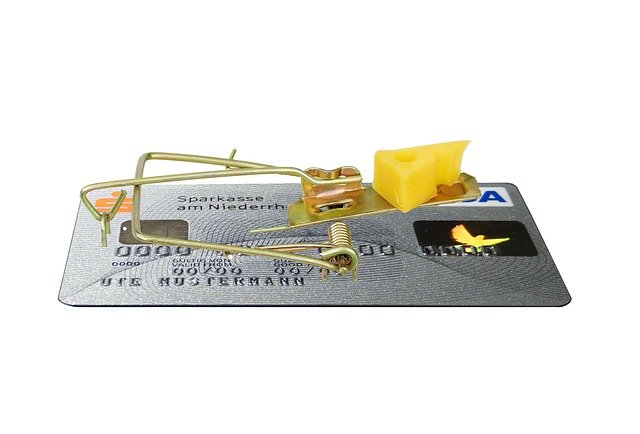
It’s difficult for anyone to file bankruptcy, but sometimes it can be the only option. It will be easier to go through the process if you have a good idea of what is involved. Keep reading to learn some solid advice for navigating the treacherous world of bankruptcy.
Once a person’s debts outstrip his or her ability to repay them, bankruptcy may be the only option left. Study the laws in you state to learn what you need to do and what your options are. Most states differ in their laws governing bankruptcy. In a few states, they see to it that your house is protected. This is not the case when it comes to other states. You should be aware of local bankruptcy laws before filing.
Before making the decision to file for bankruptcy, be sure to do some research and learn all you can about the subject. There are many websites available that offer this information. The U.S. DOJ, along with a number of other bankruptcy institutes and attorneys specializing in bankruptcy can give you invaluable information. You will find that the process of filing for personal bankruptcy is easier and less of a hassle with the more information on the subject you gather ahead of time.
Avoid exhausting your savings or emptying your retirement accounts to pay off creditors if you are considering filing for bankruptcy. Unless there are no other options, your retirement funds should never be touched. Though you may need to use a bit of your savings, try hard to maintain some of your reserves so that you have some degree of flexibility going forward.
If you are planning to file for bankruptcy, be sure to learn what types of assets you will be able to keep and which can be seized. The Bankruptcy Code lists the kinds of assets which are exempted when it comes to the bankruptcy process. Be well prepared for bankruptcy by reviewing this list. It will tell you whether are not the things you value most are subject to seizure. You may find yourself unpleasantly surprised when the things you value the most are taken from you without warning. This is why it is very important the familiarize yourself with this list.
Weigh all of your options before declaring bankruptcy. Those with smaller debts may find use in a program for consumer credit counseling. You can also talk to creditors and ask them to lower payments, but be sure to get any debt agreements in writing.
Chapter 7
You need to educate yourself on the differences between Chapter 7 and Chapter 13. Chapter 7 bankruptcy completely wipes out your debt. Any debts that you owe to creditors will be wiped clean. In a Chapter 13, though, you’ll be put on a payment plan for up to 60 months before being free of your debts. Both options have advantages and drawbacks, so do your research before deciding.
Always protect your house. Bankruptcy filings don’t necessarily have to end in the loss of your home. Whether you get to keep your home depends on a few things, including its value and whether you have debts like a second mortgage or HELOC. If you meet certain criteria, you may be able to retain ownership of your home even after filing for bankruptcy.
Before you file for bankruptcy, make sure you absolutely need to. You may well be able to regain control over your debts by consolidating them. A bankruptcy filing takes a great deal of time, and it can be extremely stressful. You will have trouble getting credit down the line. You have to make certain that you absolutely have no other choice.
Although people don’t want to file bankruptcy, it’s sometimes necessary. Having read the preceding piece, you now possess critical insight and knowledge offered by those with actual prior bankruptcy experience. By learning from others who have been there before, it will make things a lot easier on you.
Stop Collection Calls By Filing For Bankruptcy

Facing bankruptcy makes life difficult. When you’re constrained financially, your options become limited, in general. Your credit score has been damaged and it can be difficult to get loan approvals. However, although difficult, it is not impossible to secure a loan.
Don’t think that loading up your credit card with tax debt and then filing for bankruptcy is an answer either. In most states, this debt won’t be discharged, and you could end up owing the IRS a whole lot more. If the tax can be discharged, so can the debt. So using your credit card to pay off your tax obligations, then filing for bankruptcy, can actually hurt you instead of help you.
If you are faced with the choice of filing for bankruptcy or using your emergency fund or retirement accounts to pay creditors, opt to file for bankruptcy. You should not use your retirement savings unless the situation calls for it. While you may have to use a part of your savings, never completely wipe it out which would only leave you in worse financial shape in the future.
Do some research to find out which assets you could lose by filing for personal bankruptcy. The Bankruptcy Code lists assets considered exempt from being affected by bankruptcy. Make sure to review the list before filing a claim so you know if your valuables will be subject to seizure. It is important to know what types of possessions may be taken away before they actually are seized.
Be aware of recent changes, if any, in the bankruptcy code. If you want to file for bankruptcy successfully, it’s important to review the latest applicable laws. They tend to change frequently. A qualified bankruptcy attorney is the best source for the latest information regarding the laws in your state.
Prior to declaring bankruptcy you really need to be sure that you’ve exhausted all your other options first. For example, consumer credit counseling programs can help you by renegotiating your debts with your creditors into payments that you can afford. You may also find success in negotiating lower payment arrangements yourself, but be certain to get any arrangements with creditors in writing.
Chapter 13
There are two types of bankruptcy filing, Chapter 7 and Chapter 13 so make sure you know the differences. If you file for Chapter 7 bankruptcy, all of your debts will be eliminated. You will be removed from any contracts you have with your creditors. With a Chapter 13 bankruptcy, you will have to make payments for 5 years before the debts are forgiven. Both options have advantages and drawbacks, so do your research before deciding.
Before declaring bankruptcy, see if there’s anything less drastic you can do to repair your credit. You can get your interest rates reduced or enter into a debt repayment plan. Before you file bankruptcy, ask your attorney if any of these are viable alternatives for you. You can apply for a modification of your mortgage if your home is going into foreclosure. Lenders can assist you in a lot of ways, by cutting interest rate charges and cutting off late fee charges. They can also lengthen the loan. Most creditors will be willing to work out an option to avoid not getting paid at all.
In time you will leave the effects of bankruptcy behind you and resume your normal life. When you show good faith and you’re repaying your debts, this effort will be noticed in a positive light by the creditors. Eventually, you will be able to brush every bit of that dirt off of your shoulders and once again be able to live a normal, credit-driven life if you so choose.

Advice For Those Consumers Contemplating A Bankruptcy Filing

Dealing with bankruptcy is very tough. The options available to you when your finances are challenged can be quite limited. Your credit score has been damaged and it can be difficult to get loan approvals. However, although difficult, it is not impossible to secure a loan.
You may still have trouble receiving any unsecured credit after a bankruptcy. If this happens to you, think about applying for a couple of secured credit cards. Having a credit card of any type will allow creditors to realize that you’re attempting to work in the right direction to repair your credit. Once you’ve built up a history of on-time payments, you may start getting unsecured credit again.
You must be absolutely honest when filing for personal bankruptcy. If you try to hide any of your information, it will eventually surface and cause you problems. It is necessary to be open regarding both the positive and negative aspects of your financial life. Lay everything out on the table so that you and your lawyer can devise a plan to get you out of this mess.
Don’t pay to for an initial consultation with a bankruptcy attorney, and thoroughly question each candidate. Most lawyers offer free consultations, so consult with a few before settling on one. Only choose a lawyer if you feel like your questions were answered. It’s isn’t necessary to make a choice right away. You can take as much time as you need to meet with different lawyers.
Chapter 7
You may have heard bankruptcy referred to differently, either as Chapter 7 or Chapter 13. Learn the differences between the two before filing. If you file using Chapter 7 bankruptcy, you will get all your debts eliminated. Your former ties with creditors will cease to exist. If however you enter Chapter 13, you will go into a five year repayment program prior to your debts dissolving entirely. You need to be aware of the pros and cons of each type of bankruptcy so you can correctly select the best choice for your situation.
Meet with a few attorneys who offer free consultations before hiring one. Always ensure that the person you meet with is a real lawyer, not a legal assistant or paralegal. These people can’t give legal advice. Comparing different lawyers makes it possible to find one with whom you work well.
Look into filing Chapter 13 bankruptcy. If you are receiving money on a regular basis and your unsecured debt is under $250,000, you may be able to file Chapter 13 bankruptcy. This lets you keep any real estate and personal property while you repay all your debts through a consolidation program. This lasts for three to five years and after this, your unsecured debt will be discharged. Remember that missing a payment to the plan will result in your case being dismissed.
If you are making more money than you owe, bankruptcy should not even be an option. Though bankruptcy may appear to be a good way to escape your debts, it does affect your credit negatively for a fairly long time.
Remember that bankruptcy isn’t the end of the world. Just look at Donald Trump. He has filed multiple times! Establishing a record of saving money and paying your debts on time will increase your credit worthiness. So begin saving your money and you will realize how much difference it makes when shopping for a home loan or car.
