Can Personal Bankruptcy Help My Financial Situation?

Making the decision to file for bankruptcy isn’t an easy one, but sometimes it can be the only way out of a mountain of debt. It will be easier to go through the process if you have a good idea of what is involved. Keep reading for information that can help you get through this trying time.
It is simple math; when you owe more than you are able to pay off, a bankruptcy is the likely solution. If this sounds familiar, you should read up on the bankruptcy laws in your state. Bankruptcy laws vary from state to state. Your home is safe in some states, but in others it’s not. See to it that you understand the bankruptcy laws in the area that you live prior to filing.
Look for a bankruptcy lawyer that comes from a personal recommendation instead of someone random on the Internet or in the yellow pages. Companies are constantly popping up, claiming to help, yet only seek to profit from your misery. In ensuring that your bankruptcy is as simple as possible, trusting your attorney makes a big difference.
When filing for bankruptcy it is crucial that you are candid and not concealing any liabilities or assets, as it will only show up in the future. Your attorney and trustee should be privy to all information about your finances. Bankruptcy can be a chance to simplify your finances, but any schemes you employ to conceal the truth can ruin that chance for you.
Hire a lawyer if you plan on filing for bankruptcy. Bankruptcy is complicated, and having someone to help you navigate the process is crucial. A qualified bankruptcy attorney can guide you through the filing process.
Take advantage of the opportunity to consult with a number of bankruptcy lawyers who offer the first visit at no charge. Meet with the actual lawyer, not a paralegal or assistant, as they’re not allowed to give out legal advice. Seeking out different attorneys is all part of the process until you find someone that you can trust.
Learn and gain a firm grasp of the differences in applying for Chapter 7 bankruptcies versus Chapter 13 bankruptcies. Take the time to learn about them extensively, and then figure out which one will be best for your particular situation. If something doesn’t make sense to you, go over it with your lawyer prior to choosing which one to file.
There are circumstances where you are able to keep your car during a bankruptcy so be sure to ask your lawyer about possibly reducing the payments. In many cases, Chapter 7 bankruptcy can lower your payments. You must have bought the car 910 or more days before you filed, the loan must have a high interest rate, and you have to have a secure and steady working history in order for that to work.
Keep in mind that filing for Chapter 7 bankruptcy may affect other people than just you, including family members, and in some cases, business associates. Debts which you shared with another will not be your responsibility any longer if you file for personal bankruptcy under Chapter 7. Although filing for bankruptcy excludes your from financial responsibility, co-signers will still be expected to pay the loan amount in full.
Nobody really wants to file for bankruptcy but it sometimes is just something they have to do. After reading this article, you now know how people who have actually experienced bankruptcy got through the process. You will find that every journey in life goes more smoothly if you heed the advice of those who go before you, and this one is no different.

Solid Advice When Searching For Ways To File For Bankruptcy

It can be very complicated to file for personal bankruptcy. There are different kinds of bankruptcy you can file, and the kind you select depends on your individual financial picture and what types of debt you have. The most important step you can take, of course, is to learn what you can about the process before ultimately deciding one way or the other. The following tips can help you get started.
Don’t use a credit card to pay off your taxes before filing for bankruptcy. In most states, you will still owe money to the IRS and have to take care of the interest of your credit cards. Generally speaking if you can discharge the tax, you can discharge the debt. Thus, it doesn’t make sense to use a credit card when it is going to be discharged when you file for bankruptcy.
Ask yourself if filing for bankruptcy is the right thing to do. You have other choices, including consumer credit counseling. Your credit score will be forever effected by bankruptcy, which is why you should do everything else in your power to resolve matters first.
Unsecured Credit
Once the bankruptcy is complete, you may find it difficult to receive unsecured credit. If that’s the case, it is beneficial to apply for one or even two secured cards. This will demonstrate that you’re seriously trying to restore your credit. In time, you might be granted unsecured credit again.
Avoid paying for a consultation with the bankruptcy attorney, but do ask many questions. Most lawyers offer free consultations, so consult with a few before settling on one. Choose to file only if your lawyer has convinced you that this is the best decision. There is no need to feel rushed to decide to file after you talk with your bankruptcy lawyer. After your consultations, do some additional research on each attorney you consider qualified for the job.
Chapter 7
Know the differences between Chapter 7 and Chapter 13 bankruptcy. Chapter 7 bankruptcy completely wipes out your debt. With very few exceptions, the connections between you and your creditors will be severed. But, with Chapter 13, you will be in repayment plan for about 5 years prior to any debts you have being totally dissolved. You need to be aware of the pros and cons of each type of bankruptcy so you can correctly select the best choice for your situation.
Before ultimately deciding whether or not to file for bankruptcy, be sure to weigh the different options available to you. Consult with a bankruptcy attorney to see if an interest rate reduction or debt repayment plan is an alternative to filing for bankruptcy. Look into loan modification plans if you need to deal with an imminent foreclosure. Lenders can assist you in a lot of ways, by cutting interest rate charges and cutting off late fee charges. They can also lengthen the loan. Many times creditors are happy to work with you to ensure that you will repay your loan.
Bankruptcy is not a decision to be taken lightly. If you decide that it makes sens for your financial situation, you can benefit from working with an attorney who is experienced with personal bankruptcy, so that you can make the experience the beginning of your new, clean financial slate.
Looking To File For Personal Bankruptcy? Check Out These Tips!

Living with bankruptcy can be very difficult. As you look at the hole you’ve dug yourself, you might think there is no escape. Yet even if your credit score is not good there are things you can do to still get the things you want, such as a car or home loan, read on to find out how.
Make certain that you comprehend everything regarding personal bankruptcy by studying online. The United States DOJ, the NACBA, and the ABI all have useful information. The greater your body of knowledge, the better prepared you will be to make the decision of whether or not to file and to make certain that if you do file, the process is a smooth one.
Credit Card
Don’t think that loading up your credit card with tax debt and then filing for bankruptcy is an answer either. Most states do not look at this debt as chargeable, and you could end up owing money to the IRS. If the tax has the ability to be eliminated, the debt can be too. So, there is no reason to use your credit card if it will be discharged in the bankruptcy.
Don’t fear reminding your attorney of any specific details of your case. Do not assume that if you’ve already told him or her something important once, that they will remember it later without a reminder. Speak up if something is troubling you, as this is your future we are talking about here.
When filing for bankruptcy it is crucial that you are candid and not concealing any liabilities or assets, as it will only show up in the future. Whoever provides your legal consultation must be privy to all of your financial information. Lay everything out on the table so that you and your lawyer can devise a plan to get you out of this mess.
It is a good idea for you to hire a bankruptcy to handle your bankruptcy process. Personal bankruptcy is quite complex, and it is entirely possible that you will not be able to familiarize yourself with all the laws and processes. A bankruptcy attorney can advise you on how proceed properly.
Before you decide to declare bankruptcy, make sure that a less-drastic solution isn’t more appropriate. For example, if you only have a little bit of debt, you might be better off if you went through consumer credit counseling. It may also be possible to get lower payments, but if you do, be sure to obtain records for any consensual debt modifications.
Learn how Chapter 7 bankruptcy and Chapter 13 bankruptcy differ from each other. Get a good grasp of the pluses and minuses each type of filing involves by researching both of them extensively. If anything you see is unclear or doesn’t make sense, go over it again with your attorney before making the final filing decision.
You should weigh every option before thinking about bankruptcy. There are many other options including debt consolidation and making payment plans with your creditors. If you are facing foreclosure, consider a loan modification plan. The lender wants their money, so they may be willing to forgive some fees, change the loan term or reduce interest as ways of assisting you. When all is said and done, the creditors want their money, so sometimes it’s best to deal with a repayment plan than with a bankruptcy debtor.
If you are filing for bankruptcy, it is imperative that you have a good understanding of your rights. Some debt collectors like to say that you cannot file for bankruptcy on these debts. There are not many debts that can not be bankrupted, student loans and child support for example. If you are unsure about specific types of debt, check the bankruptcy laws in your state or consult an attorney.
Though you may have filed bankruptcy, you are not at the end of your financial life. By demonstrating responsible financial management, (saving money, making payments on time) you can impress creditors and rebuild your credit rating. Make the efforts to save and look at the impact it has when you attempt to make a home or car purchase.

Advice For People Who Need To File Bankruptcy
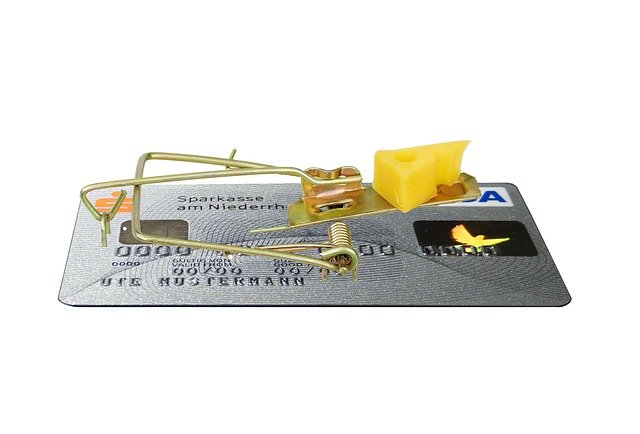
It’s difficult for anyone to file bankruptcy, but sometimes it can be the only option. It will be easier to go through the process if you have a good idea of what is involved. Keep reading to learn some solid advice for navigating the treacherous world of bankruptcy.
Once a person’s debts outstrip his or her ability to repay them, bankruptcy may be the only option left. Study the laws in you state to learn what you need to do and what your options are. Most states differ in their laws governing bankruptcy. In a few states, they see to it that your house is protected. This is not the case when it comes to other states. You should be aware of local bankruptcy laws before filing.
Before making the decision to file for bankruptcy, be sure to do some research and learn all you can about the subject. There are many websites available that offer this information. The U.S. DOJ, along with a number of other bankruptcy institutes and attorneys specializing in bankruptcy can give you invaluable information. You will find that the process of filing for personal bankruptcy is easier and less of a hassle with the more information on the subject you gather ahead of time.
Avoid exhausting your savings or emptying your retirement accounts to pay off creditors if you are considering filing for bankruptcy. Unless there are no other options, your retirement funds should never be touched. Though you may need to use a bit of your savings, try hard to maintain some of your reserves so that you have some degree of flexibility going forward.
If you are planning to file for bankruptcy, be sure to learn what types of assets you will be able to keep and which can be seized. The Bankruptcy Code lists the kinds of assets which are exempted when it comes to the bankruptcy process. Be well prepared for bankruptcy by reviewing this list. It will tell you whether are not the things you value most are subject to seizure. You may find yourself unpleasantly surprised when the things you value the most are taken from you without warning. This is why it is very important the familiarize yourself with this list.
Weigh all of your options before declaring bankruptcy. Those with smaller debts may find use in a program for consumer credit counseling. You can also talk to creditors and ask them to lower payments, but be sure to get any debt agreements in writing.
Chapter 7
You need to educate yourself on the differences between Chapter 7 and Chapter 13. Chapter 7 bankruptcy completely wipes out your debt. Any debts that you owe to creditors will be wiped clean. In a Chapter 13, though, you’ll be put on a payment plan for up to 60 months before being free of your debts. Both options have advantages and drawbacks, so do your research before deciding.
Always protect your house. Bankruptcy filings don’t necessarily have to end in the loss of your home. Whether you get to keep your home depends on a few things, including its value and whether you have debts like a second mortgage or HELOC. If you meet certain criteria, you may be able to retain ownership of your home even after filing for bankruptcy.
Before you file for bankruptcy, make sure you absolutely need to. You may well be able to regain control over your debts by consolidating them. A bankruptcy filing takes a great deal of time, and it can be extremely stressful. You will have trouble getting credit down the line. You have to make certain that you absolutely have no other choice.
Although people don’t want to file bankruptcy, it’s sometimes necessary. Having read the preceding piece, you now possess critical insight and knowledge offered by those with actual prior bankruptcy experience. By learning from others who have been there before, it will make things a lot easier on you.

Suggestions Of Other Options Besides Personal Bankruptcy

Think carefully before you decide to file for bankruptcy. Unless you realize every single little aspect of the proceedings to come, you might end up biting off more than you can chew. Use what you learn here to guide you towards making the right decisions regarding personal bankruptcy. No matter what decisions must be made, they are easier to make with solid information.
Prior to filing for bankruptcy, research which assets will remain exempt from creditors. The Bankruptcy Code lists assets considered exempt from being affected by bankruptcy. Be well prepared for bankruptcy by reviewing this list. It will tell you whether are not the things you value most are subject to seizure. While it might not be possible to protect a particularly beloved possession, at least you will know in advance whether or not you risk losing it.
Be brutally honest when you file for bankruptcy, as hiding assets or liabilities, will only come back to haunt you. Wherever you file, that court has to be made aware of all details regarding your finances, positive and negative. Lay everything out on the table so that you and your lawyer can devise a plan to get you out of this mess.
Do not give up hope. There may still be way to get repossessed items back after you file for bankruptcy. There is a chance that you can get back your property if it has been less than ninety days since repossession. A qualified bankruptcy attorney can walk you through the petition process.
Never pay to have a consultation with a lawyer, and ask a lot of questions. Most attorneys offer free consultations, so meet with a number of them before you retain one. Only choose a lawyer if you feel like your questions were answered. Take your time choosing the right attorney to assist in your bankruptcy. Be sure to talk with a number of lawyers, and compare the information you receive.
Learn of new laws prior to deciding to file for bankruptcy. Laws are subject to change, and it’s important that you’re educating yourself about current code only. A qualified bankruptcy attorney is the best source for the latest information regarding the laws in your state.
Weigh all of your options before declaring bankruptcy. For example, consumer credit counseling programs can help you by renegotiating your debts with your creditors into payments that you can afford. You could even negotiate for lower payments. However, you should ensure that you always obtain a written record of all the changes to your debt that you’ve agreed to.
Unsecured Debt
Look into filing Chapter 13 bankruptcy. You are probably eligible for Chapter 13 if your income is consistent and your unsecured debt is under $250,000. This type of bankruptcy protects your assets from seizure and lets you repay your credits over the course of a few years. This lasts for three to five years and after this, your unsecured debt will be discharged. However, if you were to miss a payment, the court would dismiss your case right away.
Remember to have fun with your life when you’re done with the filing process initially. Many people feel a lot of stress while they work through the bankruptcy process. Don’t let the process control you in a negative way. You will get through it, and you should make an effort to remember that. After you have finished filing for personal bankruptcy, your life will improve.
Your trustee may be able to help you secure an auto loan or get a mortgage even though you have filed Chapter 13. It’s a bit more difficult, though. You will have to get this loan approved by your trustee. Draft a personal budget to show that you will be able to repay your new loan. Also, you need to be ready to say why you’re going to need the item.
After reading this article, you will know how to file a claim bankruptcy. Don’t become overwhelmed by the enormous amount of information available. Take a few moments to ruminate upon these tips. You can make more thoughtful decisions this way.

Bankruptcy Woes? Simplify The Process With This Useful Information

The economy is in very bad shape right now. The cycle of a tough economy leads to people losing jobs and going into debt. And these debts get to the point where people end up filing for bankruptcy. If you’re considering bankruptcy, the following article can help you make some sense out of it.
Never lie about anything in your bankruptcy petition. Resisting the temptation to hide income or valuable assets from the bankruptcy trustee is a smart way to avoid potential complications, penalties, and the possibility of being barred from re-filing in the future.
Once you file for bankruptcy, you will have a hard time getting loans or credits. Since it is important that you work to rebuild your credit, you should instead think about applying for a secured card. Having a credit card of any type will allow creditors to realize that you’re attempting to work in the right direction to repair your credit. Once creditors see that you are making an effort to restore your credit, they may allow you to get an unsecured card in the future.
Don’t pay for an attorney consultation and ask him or her anything you want to know. Since most attorneys offer free consultations, meet with a few attorneys before deciding who to hire. Decide which lawyer you like best buy reviewing all of the lawyers’ answers to your questions. Choose the lawyer who addressed your issues the best. You need not decide right away. You have lots of time for consulting with other lawyers.
If you’re going to file bankruptcy, you need an attorney. It is unlikely that you will be able to comprehend all the various rules and regulations involved in bankruptcy law. A lawyer that specializes in bankruptcy can make sure you are following the correct procedures in your filing.
Do not forget to be around those you love. Going through bankruptcy is difficult. It can take a long time, take a great emotional toll and cause people to feel embarrassed and defeated. It can be hard to face the world while the bankruptcy process is taking place. Do not isolate yourself or you will put yourself at risk for depression. Time spent with people who care about you can give you new perspective on your financial situation.
Make sure bankruptcy is truely your only option before filing. Talk with a bankruptcy lawyer and ask about alternatives, such as debt consolidation or negotiating with creditors. Look into loan modification plans if you need to deal with an imminent foreclosure. The lender is able to help you in a number of ways, such as reducing interest rates, eliminating late charges, and even lengthening the loan, giving you more time to pay. When all is said and done, the creditors want their money, so sometimes it’s best to deal with a repayment plan than with a bankruptcy debtor.
As stated from the above article, the economy right now not in the best of shape and lots of people are hurting financially. You can avoid bankruptcy even with no steady source of income. Hopefully, you won’t have to file for bankruptcy. Best of luck.

Bankruptcy Tips For Helping You Survive Successfully

Are you in a financial jam and you feel like bankruptcy is the only option for you? Fear not, you are in good company. Many people have discovered that bankruptcy can help them escape their financial troubles. This article contains advice on bankruptcy that can help you go through the process as smoothly as possible.
Knowledge is power when you’re considering bankrupcy; there are many websites available to help you. The U.S. Department of Justice, NACBA, and American Bankruptcy Institute websites are all great places to go for up-to-date information. You will find that the process of filing for personal bankruptcy is easier and less of a hassle with the more information on the subject you gather ahead of time.
If you are considering using credit cards to pay your taxes and then file for bankruptcy, you may want to rethink that. In most states, you will still owe money to the IRS and have to take care of the interest of your credit cards. If the tax has the ability to be eliminated, the debt can be too. So using your credit card to pay off your tax obligations, then filing for bankruptcy, can actually hurt you instead of help you.
Before filing for personal bankruptcy, make sure you are doing the right thing. Avail yourself of other options, including consumer credit counseling, if they are appropriate for your situation. Bankruptcy permanently affects your credit, so avoid filing until you have exhausted all of your other options.
When it appears likely that you will file a petition, do not start spending your last remaining funds on debt repayment. Unless there is no other choice a retirement account should not be used. Of course you will have to touch some of your savings to get through all of the hearings, but do not put out any money that you do not have to by law.
Ensure that you are providing genuine details when filing a bankruptcy petition, because honesty is the best policy when dealing with bankruptcy. You may be tempted to try to hide income and personal assets from discovery, but doing so often leads to major complications, monetary penalties and the possibility that your case will be thrown out of court.
It is important to remind your lawyer of any details that may be important to your case. Don’t just assume they already know and that they have these important details committed to memory or written down. Don’t fear speaking up since it affects your case and future.
As mentioned at the beginning of the article, you are not the only person in the world who has found themselves needing to file bankruptcy. Unlike other people, you’ll be more educated because of this article. The tips in this article should give you a good head start on your bankruptcy filing.

Stop Collection Calls By Filing For Bankruptcy

Facing bankruptcy makes life difficult. When you’re constrained financially, your options become limited, in general. Your credit score has been damaged and it can be difficult to get loan approvals. However, although difficult, it is not impossible to secure a loan.
Don’t think that loading up your credit card with tax debt and then filing for bankruptcy is an answer either. In most states, this debt won’t be discharged, and you could end up owing the IRS a whole lot more. If the tax can be discharged, so can the debt. So using your credit card to pay off your tax obligations, then filing for bankruptcy, can actually hurt you instead of help you.
If you are faced with the choice of filing for bankruptcy or using your emergency fund or retirement accounts to pay creditors, opt to file for bankruptcy. You should not use your retirement savings unless the situation calls for it. While you may have to use a part of your savings, never completely wipe it out which would only leave you in worse financial shape in the future.
Do some research to find out which assets you could lose by filing for personal bankruptcy. The Bankruptcy Code lists assets considered exempt from being affected by bankruptcy. Make sure to review the list before filing a claim so you know if your valuables will be subject to seizure. It is important to know what types of possessions may be taken away before they actually are seized.
Be aware of recent changes, if any, in the bankruptcy code. If you want to file for bankruptcy successfully, it’s important to review the latest applicable laws. They tend to change frequently. A qualified bankruptcy attorney is the best source for the latest information regarding the laws in your state.
Prior to declaring bankruptcy you really need to be sure that you’ve exhausted all your other options first. For example, consumer credit counseling programs can help you by renegotiating your debts with your creditors into payments that you can afford. You may also find success in negotiating lower payment arrangements yourself, but be certain to get any arrangements with creditors in writing.
Chapter 13
There are two types of bankruptcy filing, Chapter 7 and Chapter 13 so make sure you know the differences. If you file for Chapter 7 bankruptcy, all of your debts will be eliminated. You will be removed from any contracts you have with your creditors. With a Chapter 13 bankruptcy, you will have to make payments for 5 years before the debts are forgiven. Both options have advantages and drawbacks, so do your research before deciding.
Before declaring bankruptcy, see if there’s anything less drastic you can do to repair your credit. You can get your interest rates reduced or enter into a debt repayment plan. Before you file bankruptcy, ask your attorney if any of these are viable alternatives for you. You can apply for a modification of your mortgage if your home is going into foreclosure. Lenders can assist you in a lot of ways, by cutting interest rate charges and cutting off late fee charges. They can also lengthen the loan. Most creditors will be willing to work out an option to avoid not getting paid at all.
In time you will leave the effects of bankruptcy behind you and resume your normal life. When you show good faith and you’re repaying your debts, this effort will be noticed in a positive light by the creditors. Eventually, you will be able to brush every bit of that dirt off of your shoulders and once again be able to live a normal, credit-driven life if you so choose.
Advice For Those Consumers Contemplating A Bankruptcy Filing

Dealing with bankruptcy is very tough. The options available to you when your finances are challenged can be quite limited. Your credit score has been damaged and it can be difficult to get loan approvals. However, although difficult, it is not impossible to secure a loan.
You may still have trouble receiving any unsecured credit after a bankruptcy. If this happens to you, think about applying for a couple of secured credit cards. Having a credit card of any type will allow creditors to realize that you’re attempting to work in the right direction to repair your credit. Once you’ve built up a history of on-time payments, you may start getting unsecured credit again.
You must be absolutely honest when filing for personal bankruptcy. If you try to hide any of your information, it will eventually surface and cause you problems. It is necessary to be open regarding both the positive and negative aspects of your financial life. Lay everything out on the table so that you and your lawyer can devise a plan to get you out of this mess.
Don’t pay to for an initial consultation with a bankruptcy attorney, and thoroughly question each candidate. Most lawyers offer free consultations, so consult with a few before settling on one. Only choose a lawyer if you feel like your questions were answered. It’s isn’t necessary to make a choice right away. You can take as much time as you need to meet with different lawyers.
Chapter 7
You may have heard bankruptcy referred to differently, either as Chapter 7 or Chapter 13. Learn the differences between the two before filing. If you file using Chapter 7 bankruptcy, you will get all your debts eliminated. Your former ties with creditors will cease to exist. If however you enter Chapter 13, you will go into a five year repayment program prior to your debts dissolving entirely. You need to be aware of the pros and cons of each type of bankruptcy so you can correctly select the best choice for your situation.
Meet with a few attorneys who offer free consultations before hiring one. Always ensure that the person you meet with is a real lawyer, not a legal assistant or paralegal. These people can’t give legal advice. Comparing different lawyers makes it possible to find one with whom you work well.
Look into filing Chapter 13 bankruptcy. If you are receiving money on a regular basis and your unsecured debt is under $250,000, you may be able to file Chapter 13 bankruptcy. This lets you keep any real estate and personal property while you repay all your debts through a consolidation program. This lasts for three to five years and after this, your unsecured debt will be discharged. Remember that missing a payment to the plan will result in your case being dismissed.
If you are making more money than you owe, bankruptcy should not even be an option. Though bankruptcy may appear to be a good way to escape your debts, it does affect your credit negatively for a fairly long time.
Remember that bankruptcy isn’t the end of the world. Just look at Donald Trump. He has filed multiple times! Establishing a record of saving money and paying your debts on time will increase your credit worthiness. So begin saving your money and you will realize how much difference it makes when shopping for a home loan or car.

Keeping Your Head Above Water When Bankruptcy Is The Option

There are many emotions experienced by those going through personal bankruptcy. Those who experience it are stuck worrying about how they can pay their debts while being able to live day to day, or so they think. As you will soon learn, there is a way out.
Never pay for a consult with a bankruptcy lawyer, and ask plenty of questions. Seek free consultations from a handful of lawyers, before deciding which one to hire. Choose to file only if your lawyer has convinced you that this is the best decision. There is no need to offer an immediate hire, so take your time. That gives you the chance to speak to a number of lawyers.
It is a good idea for you to hire a bankruptcy to handle your bankruptcy process. Filing for bankruptcy is a complicated procedure, and you may not be aware of all the ins and outs. A qualified bankruptcy attorney can guide you through the filing process.
State Legislature
Learn of new laws prior to deciding to file for bankruptcy. Bankruptcy laws constantly change and it’s crucial you know about them so you the process of filing for bankruptcy goes smoothly. Review the state legislature web site or contact the state legislature office to keep abreast of changes in the law.
Most bankruptcy lawyers give free consultation, so try to meet with these types of lawyers before deciding on hiring one. By law, paralegals and assistants can not give legal advice, so be sure that you are meeting with an actual attorney. Be sure to check out a number of lawyers so that you will find one who is just right for you.
Ensure that you bankruptcy is your best choice. Perhaps just consolidating some of your existing debt, could make them easier to manage. Going through a bankruptcy is a long and stressful process. It will also limit your ability to get credit for the next few years. Needless to say, if some alternative strategy will allow you to take care of your debts, you should give it a try before resorting to bankruptcy.
Find out if you can use Chapter 13 bankruptcy, as it may help you better than the other laws. With a consistent income source and less than $250k in debt, try filing for Chapter 13. By filing this way, you can hold onto your home and property, while repaying debts through debt consolidation. These kinds of plans usually range across 3, 4 and 5 years. Once this is done, all your unsecured debt will get discharged. Remember, though, that if you fail to make even one payment, the case will be thrown out and you’ll be right back where you started.
Filing for bankruptcy is not recommended when you have income more than your debts. While filing may seem simple and a way to get out of paying your debts, it does tremendous amounts of long-term harm to your credit report.
Carefully consider filing for bankruptcy on loans that have a co-signer, especially if that co-signer is a business associate, close friend or relative. When you file under Chapter 7, you will no longer be legally responsible for any debts that were signed by yourself and a co-debtor. However, anyone sharing the loan with you may be forced to pay back the entire amount for the amount in full, which spell financial disaster for them.
After reading, you can see you do have options available, and bankruptcy does not signal the end of the world. While filing for bankruptcy is initially an emotional downer, things will improve. Keep the advice here in mind so that you can work toward getting back on your feet!
